
























QA Testing Ensuring Software Excellence in USA Businesses
How QA Testing Prevents App Crashes, Improves Performance, and Protects Your Business
Published 03/ 09/ 2026
Companies in the United States are moving so fast these days, new features, quick fixes, constant updates, because if you slow down, someone else eats your lunch. But customers? They have almost no patience.

Ready to Automate Your Success?
From AI-powered applications to scalable software development, we help businesses automate workflows and accelerate growth.
Book a Free ConsultationOne crash, one slow screen, one button that does nothing and they’re uninstalling and leaving a nasty review. They want it to feel smooth on whatever junky old phone or corporate laptop they’re using. A bad bug in the wild means angry emails, support tickets exploding, refunds, and devs who can’t sleep because they’re fixing the same thing over and over. It’s not about making everything perfect, it’s about catching the dumb obvious stuff early so the team isn’t living in crisis mode. Code Automation has jumped in with a good number of USA teams and helped them sort out qa testing in a way that actually works for them, not some fancy perfect plan, but something realistic that fits their sprint rhythm, team size, tools, and budget. The goal is dead simple: ship software people actually like and keep coming back to instead of rage-quitting.
QA Testing Benefits for Operational Success
The real magic is how much calmer life gets when it’s done properly. Releases don’t feel like jumping off a cliff anymore. Support stops drowning in repeat tickets. Developers spend time building instead of patching the same holes on repeat. When quality assurance testing becomes normal, the whole rhythm changes, you can actually plan, deadlines stop being terrifying, people aren’t exhausted. Customers sense it too: things load quickly, nothing randomly breaks after an update, the app just feels solid. In the USA especially, where people jump ship to the next shiny app the second they get annoyed, that consistent “it just works” feeling keeps users around and gets you better ratings. Code Automation helps teams build qa testing habits that match how they actually ship, whether it’s daily pushes or bigger planned releases.
Key Advantages of Quality Assurance Testing
Quality assurance testing gives you stuff you can point to pretty quickly. Fix a bug while you’re coding and it costs next to nothing. Let it slip to production and it can cost ten times, twenty times, sometimes way more when you count lost sales and angry customers. You get to ship faster because you’re not scared of what might break. Security holes get caught before some hacker finds them first. The app works the same on every browser and phone people are actually using out there. Accessibility gets looked at so you don’t end up in hot water later. Plus the team just feels better, nobody likes pushing code they’re quietly dreading. Good qa and testing takes away so much of that daily dread.

Cost Savings Through Effective QA Testing
Bad quality means late-night hotfixes, refund drama, sales lost from one-star reviews, and devs who are stuck in fix mode instead of building anything new. Do solid software testing and qa and those costs drop hard. Lots of teams see the investment come back in just a few months, fewer rollbacks, way less support noise, no more panic weekends. For a regular mid-size company in the USA even a modest drop in post-launch issues can save tens of thousands a year, sometimes a lot more if your software touches money or sensitive data.
Scalability and Reliability with QA Testing
Growth is awesome until your app starts choking when real people show up.Performance runs find the slow spots early. Load tests throw fake traffic at it to see where it cracks. Reliability checks prove it can recover if something dies. Compatibility runs make sure it doesn’t look like garbage on random phones, tablets, or old browsers still floating around. When qa testing covers that ground, you can chase growth without secretly worrying the whole thing is going to implode.
Improved User Satisfaction via QA Testing
Users don’t geek out over clean code. They care if “add to cart” works, if the page loads before they get bored, if the keyboard doesn’t cover the button they need. Usability chats show where normal people get lost. Exploratory poking around finds what happens when someone tries something nobody planned for. When quality assurance testing services run on real phones and real connections, the app ends up feeling like someone actually cared. People stick around, rate higher, tell friends, and don’t disappear after one bad day.
Exploring Different Types of QA Testing
There’s no single qa testing trick that covers it all. Unit tests poke one small piece at a time. Integration tests make sure those pieces don’t hate each other. System tests look at the whole app in something close to real life. Acceptance tests check if it does what the business actually asked. Regression tests stop new changes from wrecking old stuff. Smoke tests do a fast “is it breathing?” check after every build. Then you’ve got API checks, database stuff, mobile things like battery drain or getting a call mid-flow, and language/region tweaks if you sell beyond the USA. Picking the right combo of testing types qa is what gives you coverage without wasting forever.
Manual vs Automated QA Testing Approaches
Manual qa testing still rules for certain things. A person can click around, try dumb inputs, decide if something feels awkward, spot tiny visual glitches or messages that make no sense, stuff no script would ever find. Automated qa testing kills repetition: thousands of checks while you sleep, instant API replies, regression every single commit. The best teams do both. Automation takes the boring reliable parts; manual takes the creative “what if someone does this stupid thing?” part.
Role of QA in Modern Software Development
QA testing isn’t the last guy who says yes or no anymore. It starts when you’re still planning, lives in every code push with automated gates, and keeps an eye even after launch. Shift-left finds problems early. Shift-right watches live users to catch what tests missed. QA meaning these days is helping everyone move fast without breaking everything. When it’s done well, sprints feel easier, quality gets better naturally, and teams ship more often without freaking out.
QA Testing in Customer-Facing Applications
Apps people use every single day, shopping carts, bank logins, travel bookings, health trackers, get judged really harshly. QA testing has to lock down payment flows that don’t flake out, real-time updates that don’t lose sync, offline saving that actually works, notifications that arrive, privacy controls that feel trustworthy. Qa software tester teams live through real situations: crappy signal, phone call in the middle of checkout, low battery, dark mode breaking layout. Security scans make sure nothing gets leaked. Testing on actual hardware, not simulators, finds things emulators miss. When it’s thorough, people trust the app enough to open it every morning.

Future Trends in QA Testing for USA Businesses
QA testing is changing fast. AI tools are starting to guess test cases, point out flaky ones, even suggest little fixes. Low-code platforms let regular people build automation without needing to code like a pro. Continuous testing inside cloud pipelines is pretty much table stakes now. Security and privacy stuff is getting way stricter with every new law. Performance checks are moving earlier so you’re not surprised later. Code Automation keeps tabs on all this so the qa testing we work on doesn’t get outdated. Teams that grab these changes early usually leave everyone else in the dust.
Frequently Asked Questions (FAQs)
Everything you need to know about our products and services
It is your safe sandbox, a clone of the live app where the qa team can break things without hurting real customers. It matters because software testing only finds real problems when the setup feels like production.
Test automation handles the repetitive stuff fast like regression testing or unit testing so you do not have to click the same buttons a thousand times.
Manual testing is someone actually using the app, trying random stuff, seeing if it feels clunky. Automated test is scripts that run the exact same steps quickly every single time. Best teams use both because scripts are fast but people spot the weird stuff.
Performance testing checks if the app stays quick and stable when a lot of people hit it. Laggy or crashing apps ruin user experiences fast so it is one of the easiest ways to keep high quality when traffic gets heavy.
Run regression testing every time you change code, add a feature, fix a bug, anything. It makes sure you did not accidentally break something that used to work. It is how you keep software quality from slowly falling apart.
Unit testing is testing one small chunk of code by itself to make sure it does not do something stupid. Catch problems early in the software development lifecycle and you avoid way bigger headaches later.
Functional testing just checks if the feature does what it is supposed to. It is one of the types of qa testing you need along with performance, security, usability and others so nothing big gets missed.
Security testing looks for ways hackers could sneak in and cause trouble. One weak spot can ruin trust so the qa team runs it to meet quality standards and keep user data safe.
Quality assurance qa catches bugs, slow spots and confusing bits before users see them. Better software quality means nicer user experiences, fewer complaints and people who actually want to keep the app.
To execute test cases well start with the risky ones first, write down what happened clearly and re-run them after fixes. Good notes show high quality progress and make it easy to see what is still broken.





Adnan Ghaffar is the visionary CEO of CodeAutomation.ai, a platform dedicated to transforming how businesses build software through cutting-edge automation. With over a decade of experience in software development, QA automation, and team leadership, Adnan has built a reputation for delivering scalable, intelligent, and high-performance solutions.
Under his leadership, CodeAutomation.ai has grown into a trusted name in AI-driven development, empowering startups and enterprises alike to streamline workflows, accelerate time-to-market, and maintain top-tier product quality. Adnan is passionate about innovation, process improvement, and building products that truly solve real-world problems.
More Articles

29/09/2026
What Is Superintelligence? What Makes AI Superintelligent
27/08/2026
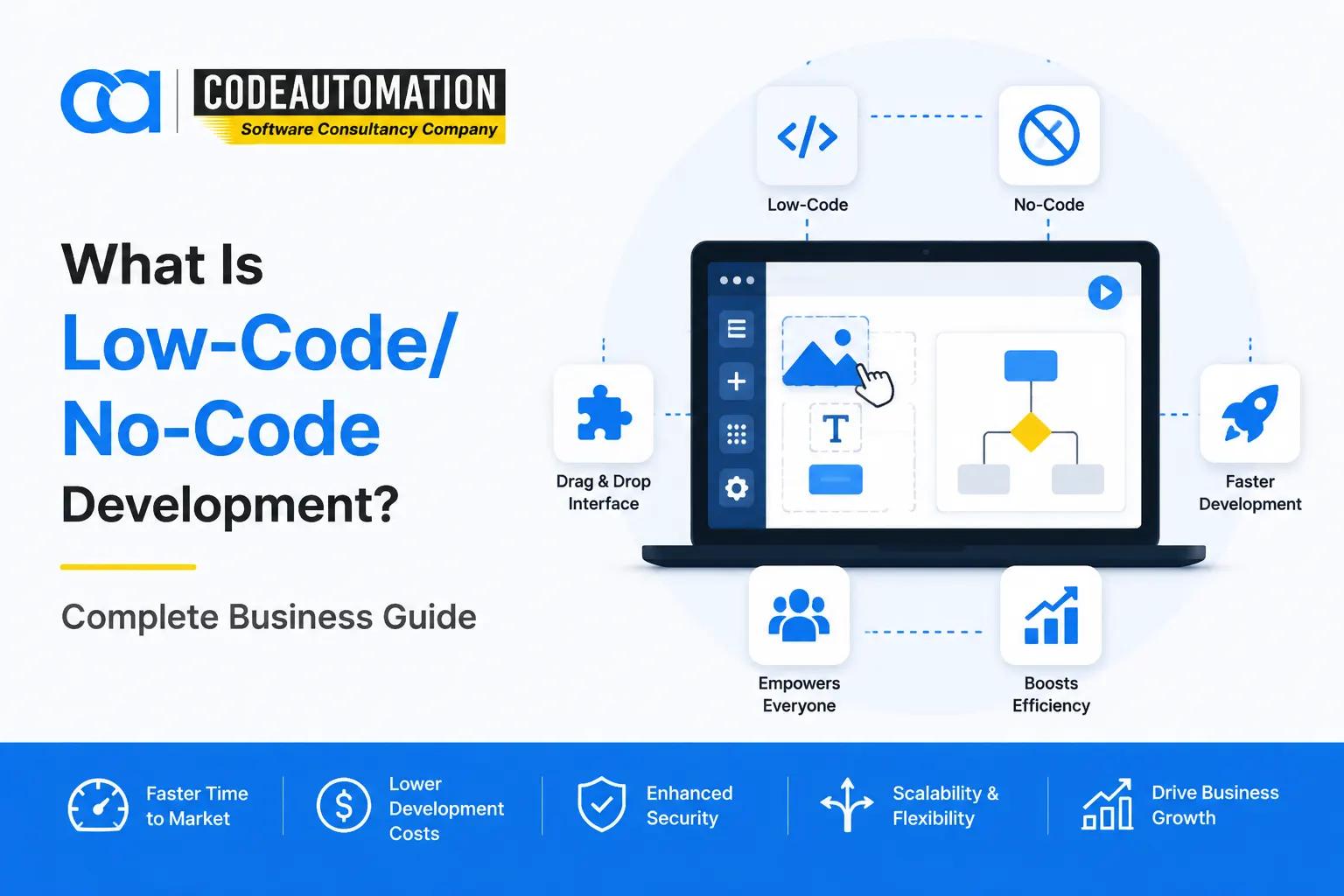
What Is Low-Code/No-Code Development? A Complete Guide for Businesses
27/08/2026
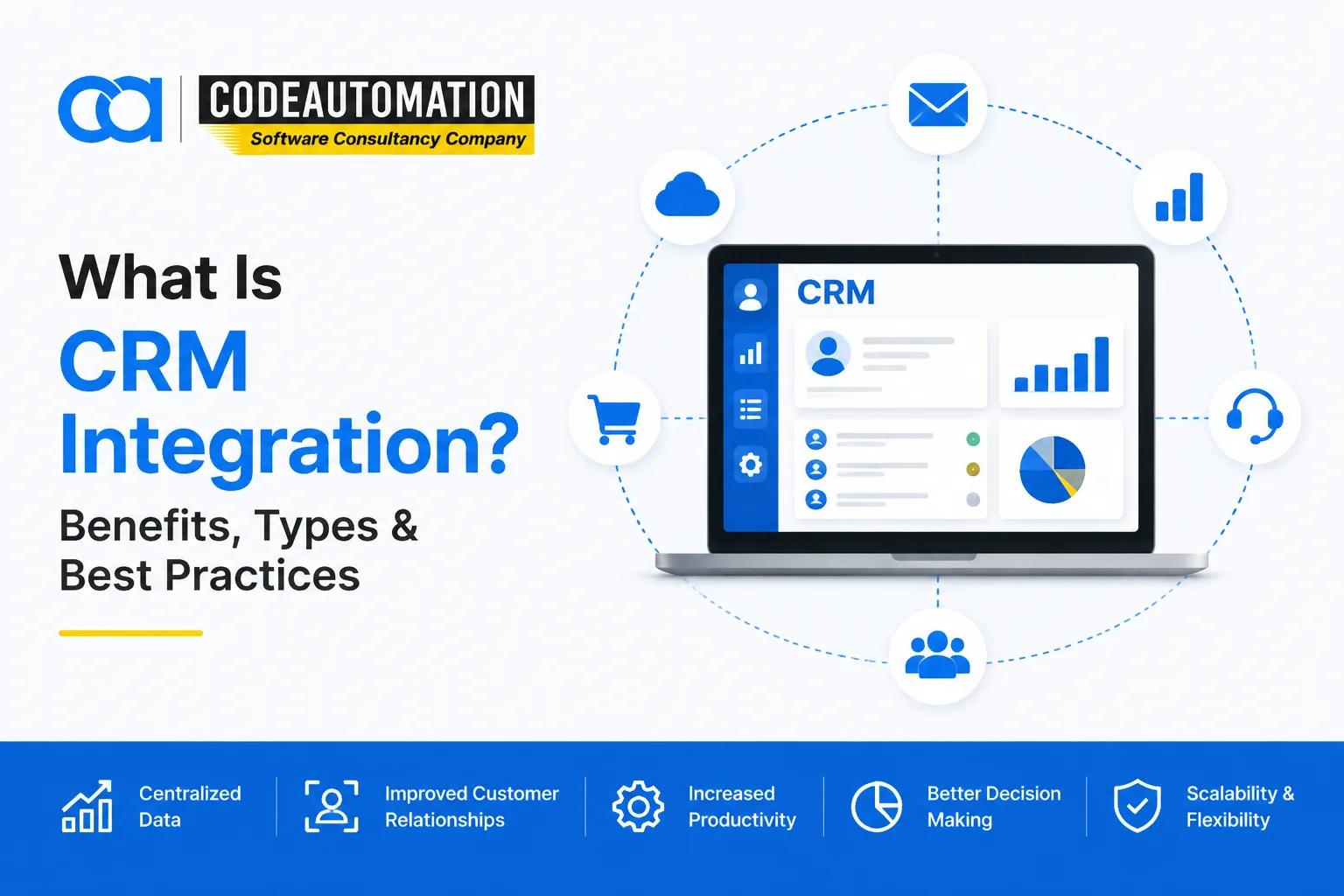
What Is CRM Integration? A Complete Guide for Businesses
21/08/2026
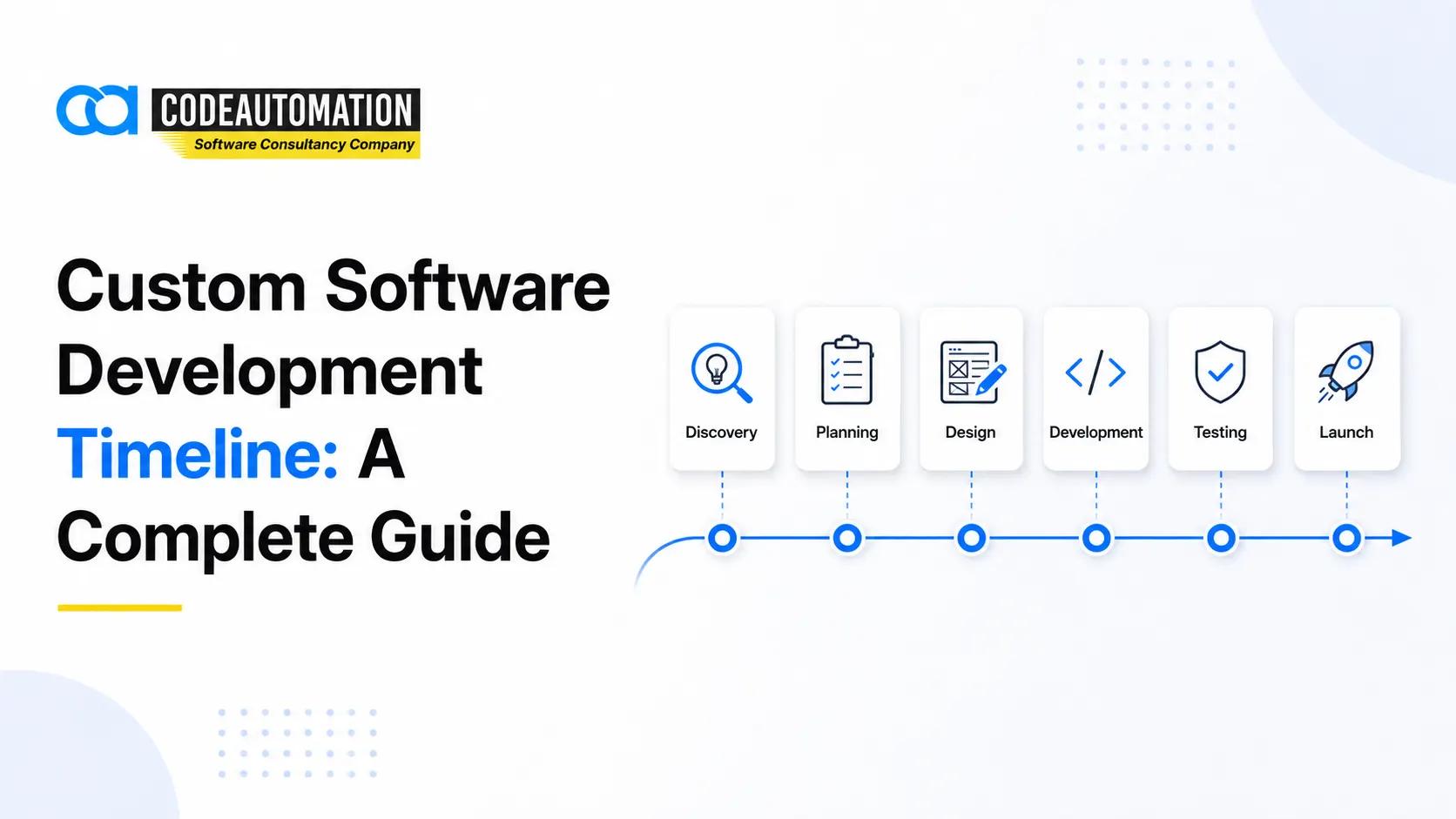
Custom Software Development Timeline: A Complete Guide
28/08/2026
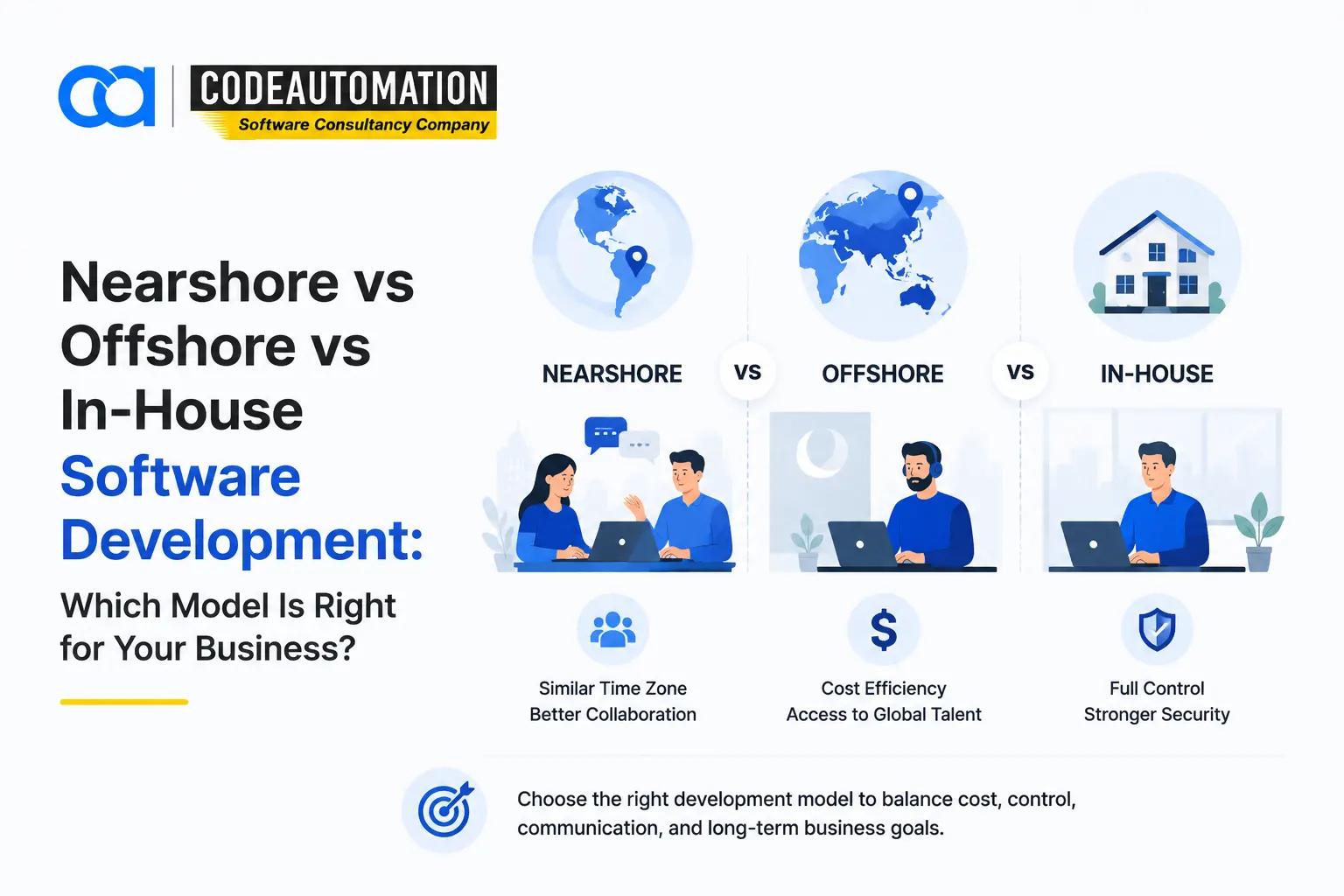
Nearshore vs Offshore vs In-House Software Development: Which Model Is Right for Your Business?
01/10/2026