
























RevOps and Marketing Ops Workflow Automation for Scalable Business Growth
1. Introduction
Published 02/ 02/ 2026
Growth often reveals problems that were always there. What once felt manageable starts to feel fragile as volume increases. Leads arrive from more places. More people touch the same data. More decisions depend on information that is scattered across tools and inboxes. Teams work harder, yet outcomes become less predictable. Most businesses respond by adding tools or automating isolated tasks. A form sends an email. A CRM updates a record. A report runs on a schedule. These changes help in the moment, but they rarely solve the deeper issue. Work is still moving through the organization without a clear structure. Ownership is unclear. Handoffs break. Follow ups depend on memory rather than logic. This is where workflow automation becomes essential. Not as a technical upgrade, but as an operational foundation. When workflows are designed end to end, they define how leads are captured, qualified, routed, followed up, and reported on. Instead of reacting to daily tasks, teams operate inside systems that guide what happens next. RevOps and Marketing Ops play a central role in this shift. RevOps brings structure to how revenue is tracked and scaled. Marketing Ops brings discipline to how demand is created and managed. When these functions share workflows, alignment stops being a goal and becomes a default. Sales works with context instead of guesswork. Marketing sees what actually converts. Leadership gains visibility without manual reconciliation. At CodeAutomation, we see this moment repeatedly. Businesses reach a stage where growth creates friction rather than momentum. Manual coordination becomes the bottleneck. The workflows shared in this article reflect real operational systems built to solve that problem. They show how workflow automation supports revenue, marketing, and growth teams as businesses scale. The sections ahead break down how RevOps and Marketing Ops workflow automation works in practice, why it improves consistency and predictability, and how modern businesses use workflows to build growth systems that scale with them.

Ready to Automate Your Success?
From AI-powered applications to scalable software development, we help businesses automate workflows and accelerate growth.
Book a Free Consultation2. Why Workflow Automation Is Essential for Modern Growing Businesses
Modern businesses do not struggle because they lack effort or ambition. They struggle because growth exposes weaknesses in how work actually moves. As lead volume increases and teams expand, manual coordination stops working. What once depended on a few people and shared understanding now depends on systems that are either missing or inconsistent.
Workflow automation becomes essential at this stage because it replaces assumption with structure. Instead of relying on individuals to remember next steps, workflows define how information flows and how actions are triggered. This shift is what allows workflow automation for modern businesses to support growth without increasing chaos.
For growing businesses, operational efficiency is often misunderstood as doing things faster. In reality, efficiency comes from doing the right things consistently. Workflow automation for operational efficiency ensures that every lead, task, and update follows the same logic every time. Leads are captured from multiple sources, qualified using clear criteria, routed to the right owner, and followed up without delay. When this happens automatically, teams spend less time coordinating and more time executing.
Business workflow automation for scaling operations also removes hidden bottlenecks. Many businesses unknowingly depend on a few key people to move work forward. When those people are unavailable, progress slows. Workflow automation reduces that dependency by embedding decisions into the system itself. Ownership is assigned automatically. Follow ups are triggered based on behavior. Reporting reflects real activity rather than manual updates.
This is especially important for businesses that are growing faster than their internal processes. Workflow automation for growing businesses creates stability during change. New team members onboard faster because workflows guide them. Leadership gains confidence because operations are visible and predictable. Growth no longer feels fragile.
The most important benefit is not speed. It is reliability. When workflows are automated, outcomes become repeatable. Marketing and sales operate from the same information. Operations stop reacting and start managing. Decisions are based on consistent data rather than assumptions.
This is why workflow automation is no longer optional for modern businesses. It is the foundation that allows growth to continue without breaking the systems that support it.

3. Workflow Automation in Revenue Operations Begins With System Design
Revenue operations breaks down when growth outpaces structure. As businesses scale, revenue does not move in a straight line. Leads enter from different sources, sales cycles vary, and data flows across multiple systems. Without a clear design for how this work moves, revenue operations become reactive instead of intentional.
Workflow automation in revenue operations starts with system design, not automation tools. A strong RevOps automation strategy for growing companies begins by defining how revenue should flow from first interaction to closed deal and beyond. This includes how leads are captured, how they are qualified, how ownership is assigned, and how outcomes are tracked. When these steps are designed as a system, automation becomes a way to enforce consistency rather than patch gaps.
Revenue operations exists to bring clarity to this process. It connects marketing activity, sales execution, and operational reporting into a single framework. Workflow automation supports that framework by ensuring that decisions are made the same way every time. This removes uncertainty and reduces dependency on manual coordination, which becomes increasingly unreliable as volume grows.
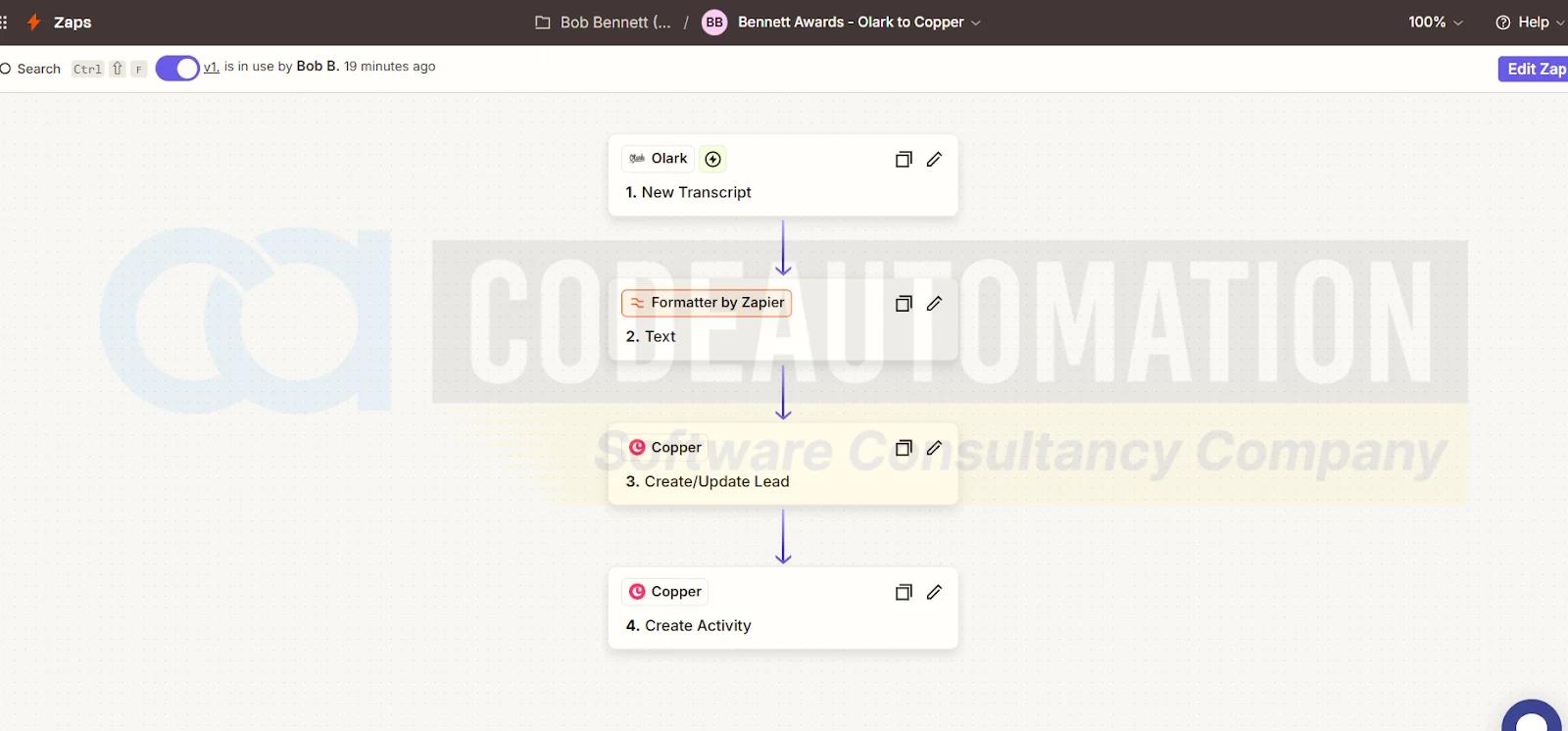
3.1. RevOps Workflows That Align Sales, Marketing, and Revenue Teams
Sales and marketing alignment rarely fails because of intent. It fails because information moves unevenly. Marketing may generate leads, but sales does not always receive the full context. Sales may update a pipeline, but marketing does not always see what converts. Cross-team workflows solve this by creating a shared path for data and decisions.
RevOps workflows for business growth focus on how teams interact, not just what tools they use. When workflows are shared across sales, marketing, and revenue operations, alignment becomes part of the system. Leads are routed based on clear criteria. Context follows the lead from first touch to follow up. Go-to-market operations improve because everyone works from the same logic.
Cross-team workflows also reduce friction. Sales teams no longer need to question lead quality because qualification is built into the workflow. Marketing teams gain clarity because feedback flows back through the same system. Revenue operations can monitor performance without chasing updates. Alignment stops being a meeting topic and becomes an operational outcome.
3.2. How RevOps Workflow Automation Improves Revenue Predictability
Predictable revenue does not come from forecasting alone. It comes from consistency in execution. Workflow automation for revenue operations creates that consistency by standardizing how work is done across teams. Every lead follows the same path. Every opportunity is updated using the same rules. Every outcome is recorded in the same way.
Workflow automation for sales and revenue teams removes variability that often hides inside manual processes. Follow ups happen on time because they are triggered by behavior, not reminders. Ownership is clear because it is assigned automatically. Reporting reflects reality because data is captured as part of the workflow, not after the fact.
This is how RevOps workflow automation improves revenue. When workflows are reliable, revenue systems become predictable. Leaders can trust the numbers they see. Teams can focus on execution instead of coordination. Growth becomes something the system supports rather than something it struggles to handle.
Predictable revenue systems are built on repeatable actions. Workflow automation makes those actions consistent at scale. For growing businesses, this is the difference between chasing growth and managing it.
4. Marketing Ops Workflow Automation Turns Lead Flow Into Growth Systems
Once revenue operations are structured, the next point of failure usually appears upstream. Marketing generates activity, but that activity does not always translate into revenue. Leads arrive in volume, yet teams struggle to manage them consistently. This is where marketing operations plays a critical role.
Marketing ops workflow automation focuses on how demand is handled, not just how it is created. Workflow automation for marketing operations ensures that every lead enters the business through a defined system. Instead of being treated as isolated events, leads become part of an operational flow that supports growth.
Marketing operations exists to bring order to complexity. Campaigns, channels, and platforms all feed into the same business goals, but without workflows, those inputs remain disconnected. Marketing ops workflow automation connects lead sources, qualification logic, and follow up actions into a single system. This transforms lead flow into something measurable, manageable, and scalable.
When marketing workflows are designed correctly, teams gain control without adding friction. Leads are not just collected. They are processed with intent. This creates consistency, which is essential for growing businesses that rely on reliable execution rather than individual effort.
4.1. Marketing Ops Automation for Lead Management and Lifecycle Control
Lead management is where most marketing systems quietly fail. Leads are captured, but they are not always qualified the same way. Routing decisions vary. Follow ups depend on availability rather than priority. Over time, this inconsistency affects conversion and trust between teams.
Marketing ops automation for lead management addresses this by standardizing how leads move through the business. Lead routing workflows ensure that each lead is assigned based on clear criteria such as source, intent, or readiness. This removes guesswork and ensures that ownership is always defined.
Lifecycle management is equally important. Leads do not stay in one stage forever. They move from awareness to interest, from interest to opportunity, and sometimes back again. Workflow automation supports lifecycle management by updating stages automatically based on behavior. This gives marketing and sales a shared understanding of where each lead stands.
When lead management is automated at the workflow level, teams stop reacting and start operating. Marketing gains visibility into performance. Sales receives better context. Operations can monitor flow without manual intervention.

4.2. Workflow Automation That Keeps Marketing and Sales Aligned
Marketing and sales alignment is often discussed, but rarely operationalized. Alignment becomes real when workflows enforce it. Workflow automation for marketing and sales alignment ensures that both teams operate within the same system and follow the same logic.
End to end workflows connect lead capture, qualification, routing, engagement, and reporting. This supports funnel management by making movement through the funnel visible and consistent. Marketing understands which leads progress. Sales understands why they were assigned. Both teams work from the same data.
This alignment reduces friction and improves outcomes. Marketing stops optimizing for volume alone. Sales stops questioning lead quality. Funnel performance becomes easier to analyze because the system reflects real behavior.
When marketing ops workflow automation is implemented correctly, alignment is no longer dependent on communication alone. It becomes part of how the business operates. Lead flow turns into a growth system that supports revenue at scale.
4.3. Social Media Workflow Automation as a Demand Input System
Social media often gets treated as a publishing channel rather than an operational input. Posts go out, engagement is measured, and performance is reviewed separately from revenue systems. The problem is not the activity itself, but the disconnect that follows. When social engagement lives outside of Marketing Ops workflows, valuable signals never fully enter the business.
Social media workflow automation changes that by treating social activity as part of the demand system, not a standalone effort. Engagement becomes structured input. Clicks, form submissions, direct messages, and campaign interactions are captured and routed through the same workflows that manage other lead sources. This ensures that social demand is handled with the same consistency as inbound forms or paid campaigns.
Within marketing ops workflow automation, social workflows define how signals move forward. A comment or message is not just acknowledged. It triggers qualification logic. Context is attached automatically. Ownership is assigned based on intent or behavior. When social activity flows into the same lead routing and lifecycle management workflows, it becomes measurable and operational rather than reactive.
This approach also supports alignment across teams. Sales gains visibility into how leads first engaged. Marketing sees which social efforts contribute to real outcomes. Revenue operations can track performance without manually reconciling platforms. Social media stops being an isolated channel and becomes part of the broader workflow automation for marketing operations.
By integrating social media into existing workflows, businesses avoid creating parallel systems that add complexity. Instead, social demand strengthens the same growth systems already in place. This is how marketing ops workflow automation turns activity into structured input and ensures that social engagement supports revenue at scale.
5. Real Workflow Automation Systems Used in Growing Businesses
At this stage, the difference between theory and execution becomes clear. Workflow automation only delivers value when it is applied to real operations under real constraints. Growing businesses do not need abstract frameworks. They need automated workflows that can handle volume, variation, and change without breaking.
Operational workflows are where strategy meets reality. These are the systems that quietly run in the background, moving information, triggering actions, and maintaining consistency across teams. When workflow-driven operations are designed correctly, they remove friction without adding complexity. Teams do not need to remember what happens next because the system already knows.
Automated workflows become especially important as businesses grow across channels and platforms. Leads arrive from websites, campaigns, conversations, and referrals. Data lives in different tools. Without workflows to connect these pieces, operations rely on manual effort and constant oversight. Workflow automation replaces that dependency with structure.
What distinguishes effective workflow automation systems is not how advanced they look, but how reliably they perform. Each workflow has a clear purpose. Each decision point is intentional. Each outcome supports a broader operational goal. This is how growing businesses maintain control as complexity increases.
The workflows referenced throughout this article reflect this approach. They are built to support lead intake, qualification, routing, follow up, and reporting across marketing and revenue operations. More importantly, they are built to evolve. As requirements change, workflows adapt without disrupting the system.
5.1. End-to-End Workflow Automation Across Teams and Platforms
End-to-end workflows connect people, processes, and platforms into a single operational flow. Workflow orchestration ensures that actions taken in one system trigger the right response in another. This is where workflow automation becomes truly scalable.
Cross-team workflows reduce delays by removing manual handoffs. Marketing actions trigger sales workflows automatically. Sales activity updates operational data in real time. Data synchronization ensures that information remains consistent across platforms, which is essential for accurate reporting and decision making.
When workflows operate end to end, teams gain confidence in the system. Marketing knows where leads go and why. Sales understands the context behind each assignment. Operations can monitor performance without chasing updates. This level of clarity is what allows workflow-driven operations to support growth without adding overhead.
End-to-end workflow automation is not about connecting tools for convenience. It is about designing systems that reflect how the business actually operates. When workflows are aligned across teams and platforms, execution becomes smoother, outcomes become more predictable, and growth becomes easier to manage.
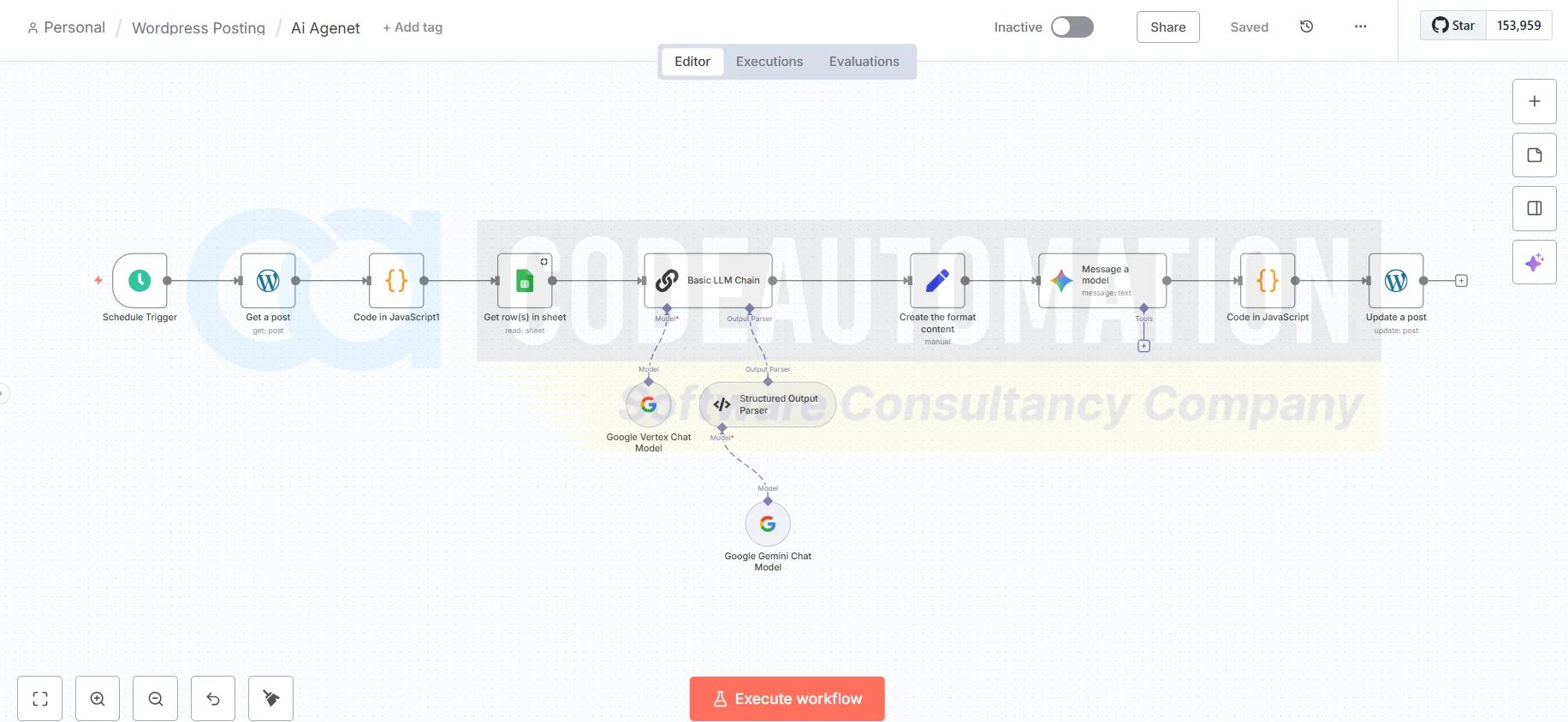
6. Workflow Automation Built for Predictable and Scalable Growth
Once workflows are operating reliably across teams and platforms, the focus shifts from control to growth. This is where workflow automation moves beyond efficiency and becomes a growth enabler. Scalable systems are not defined by how many tools they use, but by how well they handle change without losing consistency.
Operational scalability depends on repeatability. When processes rely on people remembering what to do next, growth introduces risk. Workflow automation for predictable growth removes that risk by embedding logic into the system. Decisions happen the same way every time. Actions are triggered based on behavior, not availability. As volume increases, the system absorbs it without breaking.
System-driven growth allows businesses to expand without constantly redesigning operations. New leads, new campaigns, and new team members fit into existing workflows because those workflows were designed to scale. This reduces friction during growth phases and gives leadership confidence that the business can handle increased demand.
Predictability is the outcome of consistency. Workflow automation supports predictable growth by ensuring that every part of the operation follows the same structure. Marketing activity feeds into revenue workflows cleanly. Sales execution updates operational data automatically. Reporting reflects real performance instead of manual interpretation. When systems behave consistently, growth becomes manageable.
6.1. From Manual Processes to Workflow-Driven Business Operations
Most businesses do not start with workflow-driven operations. They start with manual processes that evolve organically. Over time, those processes become difficult to manage because they were never designed to scale. Business process optimization begins by identifying where manual effort creates delays, errors, or dependency on specific individuals.
Process automation is most effective when it replaces coordination rather than control. Instead of telling people what to do, workflows guide the process. Tasks are assigned automatically. Status updates happen as part of the workflow. Information flows to the right place without intervention. This is how workflow automation for scaling operations reduces overhead while improving reliability.
Workflow-driven business operations allow teams to focus on execution rather than administration. Sales teams spend more time engaging leads. Marketing teams focus on improving performance instead of managing handoffs. Operations teams gain visibility without chasing updates. The system carries the operational load.
As businesses grow, the difference between manual processes and workflow-driven operations becomes clear. Manual systems slow growth and increase risk. Automated workflows create structure that supports scale. This transition is not about removing people from the process. It is about giving people systems they can rely on as the business grows.

7. Workflow Automation for Small and Mid-Sized Businesses Ready to Scale
For small and mid-sized businesses, growth often arrives before structure. Teams are lean, roles overlap, and processes evolve quickly to keep up with demand. At this stage, workflow automation for small and mid-sized businesses is less about sophistication and more about stability.
Many modern businesses operate with a mix of tools, spreadsheets, and informal processes that work well until volume increases. As leads grow and teams expand, those informal systems start to fail. Information gets lost. Follow ups are missed. Decisions rely too heavily on individual awareness. This is where workflow automation becomes a practical necessity.
Workflow automation for modern businesses creates a foundation that supports growth without forcing a complete operational overhaul. Instead of replacing everything at once, workflows bring order to the most critical parts of the operation. Lead intake becomes consistent. Ownership is clear. Follow ups happen automatically. Reporting reflects what is actually happening across the business.
For small and mid-sized teams, this structure reduces pressure. New team members onboard faster because workflows guide them. Leaders gain visibility without constant check ins. Operations become easier to manage because the system carries much of the coordination work.
The goal is not to operate like a large enterprise. The goal is to build systems that grow at the same pace as the business. Workflow automation allows modern businesses to scale intentionally, adding complexity only where it adds value. By establishing workflows early, small and mid-sized businesses avoid the operational debt that slows growth later.
When workflow automation is introduced at the right time, growth feels supported instead of stressful. Teams remain focused. Systems stay reliable. The business gains the flexibility it needs to move forward with confidence.
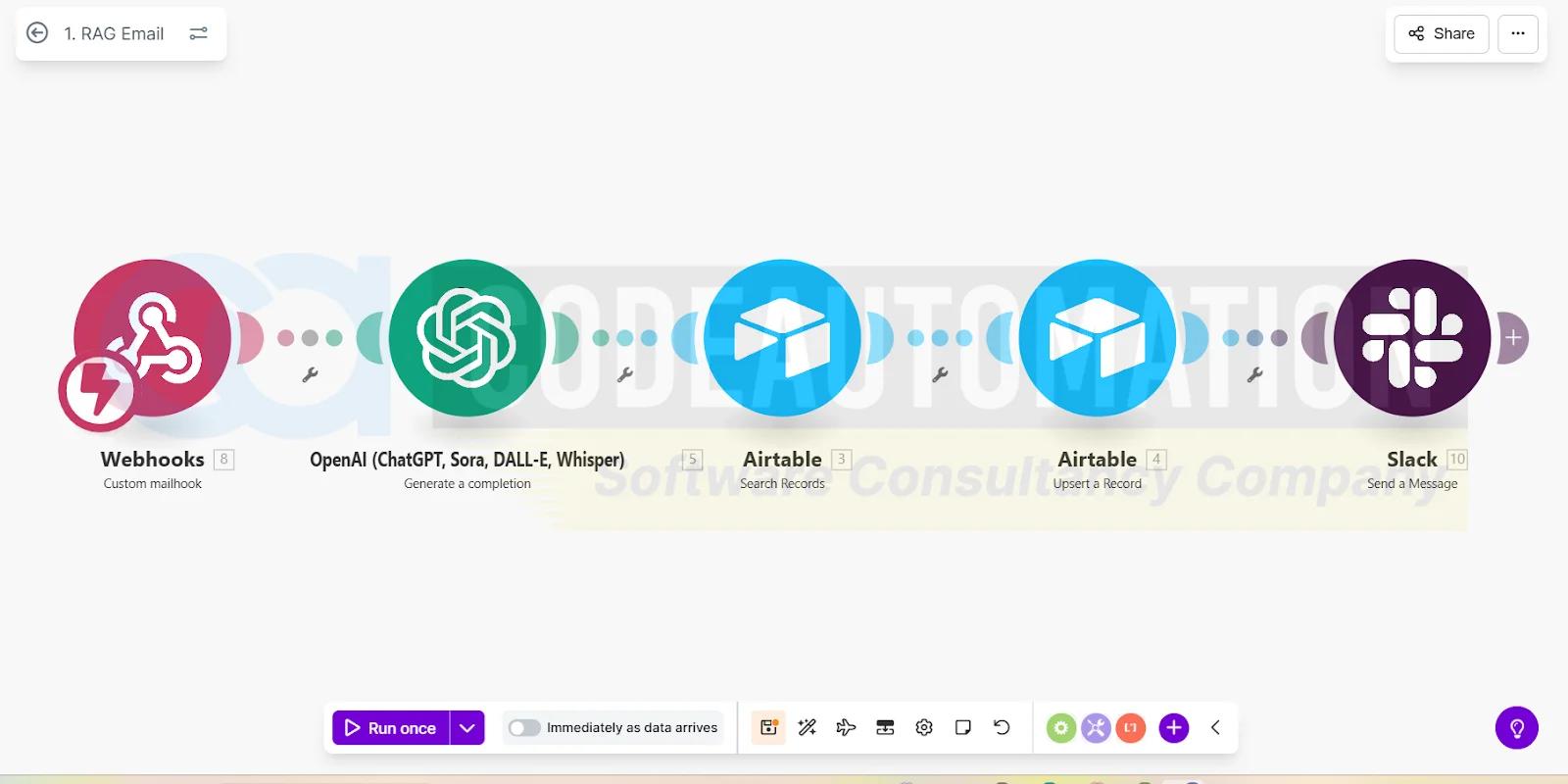
8. How CRM and Reporting Workflows Support Scalable Operations
As businesses scale, visibility becomes just as important as execution. Teams may be working hard, but without reliable insight into what is happening across the operation, decision making slows down. This is where CRM workflows and reporting automation quietly support scalability.
CRM workflows act as the connective layer between marketing activity, sales execution, and operational tracking. When workflows are built into the CRM, updates happen as part of the process rather than as a separate task. Lead status changes automatically. Ownership is clear. Activity is recorded consistently. This reduces the gaps that often appear when data depends on manual updates.
Reporting automation builds on that consistency. Instead of pulling numbers from multiple sources and reconciling them manually, reports reflect what the system already knows. When workflows drive updates, reporting becomes a byproduct of execution rather than an extra responsibility. This saves time and improves confidence in the data.
Data synchronization plays a key role in this process. As information moves across systems, workflows ensure that it stays aligned. Marketing data matches sales activity. Revenue updates reflect real progress. Operations teams can trust that what they see represents the current state of the business.

The value of CRM and reporting workflows is not complexity. It is reliability. Leaders gain a clearer picture of performance without chasing information. Teams spend less time updating systems and more time using them. Scalable operations depend on this level of consistency, especially as volume increases.
When CRM workflows and reporting automation are designed as part of the overall workflow strategy, they support growth quietly and effectively. The system stays in sync as the business scales, allowing teams to focus on execution with confidence.
9. Conclusion: Building Workflow Automation Systems That Grow With Your Business
Every section of this guide points to the same conclusion. Growth becomes sustainable when operations are designed as systems, not a collection of tasks. Workflow automation for growing businesses is not about doing more. It is about doing things consistently, predictably, and with less reliance on manual coordination. Modern businesses operate in complex environments. Leads arrive from multiple channels. Teams collaborate across functions. Decisions depend on timely and accurate information. Without workflows to connect these moving parts, growth introduces risk. With workflows in place, growth becomes manageable. Throughout this article, we explored how workflow automation supports revenue operations by creating alignment between sales, marketing, and data. We looked at how marketing operations use workflows to turn lead flow into structured systems. We examined real workflow automation systems used in growing businesses and how end to end workflows connect teams and platforms. We also saw how scalable systems rely on consistency, visibility, and reliability rather than constant oversight. Workflow automation for modern businesses works best when it is designed with intent. It starts by understanding how work should move. It grows by adapting to change without breaking existing processes. When workflows are built to evolve, they support growth instead of limiting it. At CodeAutomation, this system first approach guides how workflow automation is designed and implemented. The focus is not on isolated automations, but on building operational foundations that support revenue, marketing, and growth teams as businesses scale. The workflows referenced in this article reflect that mindset. They exist to reduce friction, improve clarity, and create operations that teams can trust. Building workflow automation systems that grow with your business is not a one time effort. It is an ongoing commitment to structure, consistency, and improvement. When done right, workflow automation becomes an invisible advantage. It allows teams to focus on execution, leaders to make informed decisions, and businesses to grow with confidence.
Frequently Asked Questions (FAQs)
Everything you need to know about our products and services
A: Most businesses are ready for workflow automation when growth starts creating friction instead of momentum. Common signs include missed follow ups, inconsistent lead handling, unclear ownership, and reports that do not match reality. If scaling requires more manual coordination rather than better systems, workflow automation is no longer optional.
A: The first workflows to automate should support revenue flow. This usually includes lead capture, qualification, routing, follow up, and basic reporting. These workflows create immediate stability and prevent revenue loss before moving on to more advanced automation
A: Not everything benefits from automation. Strategic decisions, relationship building, and creative judgment should remain human-led. Workflow automation works best when it supports execution and consistency, not when it replaces thinking or accountability.
A: Most failures happen when automation is added without system design. Automating broken processes only makes problems move faster. Successful workflow automation starts by defining how work should flow across teams before deciding how it should be automated.
A: Workflow automation should be owned at the operational level, often shared between RevOps, Marketing Ops, and leadership. Ownership works best when workflows reflect business priorities rather than individual team preferences. Clear ownership ensures workflows evolve as the business grows.
A: Many businesses see improvements within weeks, especially in lead handling and follow up consistency. The full impact builds over time as workflows mature and expand. The goal is not instant transformation but steady improvement in reliability and visibility.
A: Workflow automation does not replace people. It replaces manual coordination and repetitive tasks. Teams still make decisions, build relationships, and improve performance. Automation simply removes unnecessary friction so people can focus on meaningful work.
A: Workflow automation creates shared systems that connect marketing activity to revenue outcomes. Marketing Ops benefits from consistent lead handling and feedback. RevOps benefits from clean data and predictable execution. When workflows are shared, alignment becomes part of daily operations.
A: Well-designed workflows are built to adapt. As volume increases or processes change, workflows can be refined without disrupting operations. This flexibility is what allows workflow automation to support long-term growth rather than becoming a limitation.
A: CodeAutomation focuses on system design before automation. Instead of building isolated automations, workflows are designed to support revenue, marketing, and operations together. This approach creates consistency, scalability, and clarity as businesses grow.





Adnan Ghaffar is the visionary CEO of CodeAutomation.ai, a platform dedicated to transforming how businesses build software through cutting-edge automation. With over a decade of experience in software development, QA automation, and team leadership, Adnan has built a reputation for delivering scalable, intelligent, and high-performance solutions.
Under his leadership, CodeAutomation.ai has grown into a trusted name in AI-driven development, empowering startups and enterprises alike to streamline workflows, accelerate time-to-market, and maintain top-tier product quality. Adnan is passionate about innovation, process improvement, and building products that truly solve real-world problems.
More Articles
27/08/2026
What Is Low-Code/No-Code Development? A Complete Guide for Businesses
01/09/2026
Best AI Automation Agency in USA: Top Companies for Business Automation
01/09/2026
How Custom Software Helps Small Businesses Grow and Improve Efficiency

09/09/2026
What Is Geospatial Data Engineering? A Complete Guide for Businesses
24/09/2026
Benefits of Integrating AI Into Sales Workflows: A Technical Guide for Modern Sales Operations
25/08/2026