
























How AI is transforming customer support in 2026
AI in Customer Support: Trends, Benefits, and Future in 2026
Published 24/ 04/ 2026
Customer care has been a characteristic of how companies gain trust and customer loyalty. However, in 2026, the expectations are greater than ever. Customers desire immediate replies, one-on-one experiences, and cross-channel experiences. The traditional support systems are no longer viable to meet these demands.

Ready to Automate Your Success?
From AI-powered applications to scalable software development, we help businesses automate workflows and accelerate growth.
Book a Free ConsultationThis is where AI in customer support is coming in handy. To manage the increasing customer inquiries, businesses are increasingly resorting to the use of AI support, automation, and smart chatbots to maintain quality without the need to employ more staff. What began as an efficiency upgrade has rapidly become an essential component of contemporary customer experience strategies.

The shift toward AI-powered support
Soon ago, customer support involved a lot of human agents handling tickets, emails, and calls. Although successful to a certain degree, this method could not keep up with the size. Among the frequent challenges were delayed response, unreliable service, and increasing costs of operations.
AI has changed that dynamic completely. Businesses are now able to automate repetitive processes, streamline, and provide quicker responses with the advent of intelligent systems. The AI support can comprehend queries, classify problems, and even solve typical problems without human involvement.
This change does not imply replacing human agents- it concerns increasing their capabilities and streamlining support systems.
The role of chatbots in modern support
One of the most noticeable uses of AI in customer support is Chatbots. However, in 2026, they would be much more sophisticated than the bots of the scripted past.
In contemporary chatbots, natural language processing (NLP) is employed to acquire the context, intent, and even sentiment. They can talk in depth, give precise responses, and lead users through complicated procedures. Be it responding to frequently asked questions, receiving requests, or helping with troubleshooting, chatbots can now effectively manage a substantial share of customer communication.

More to the point, they are accessible 24/7, which means that the customers can be assisted whenever they require it.
Automation is driving efficiency
Another important aspect that is changing customer support is automation. Businesses can greatly decrease response times by automating routine processes like routing of tickets, generation of responses, and follow-ups.
Consistency is also ensured in AI-based automation. No customer is disadvantaged in terms of the kind of service they get, whether they call at an early time or a late time. This will not only enhance efficiency but also increase the customer experience.
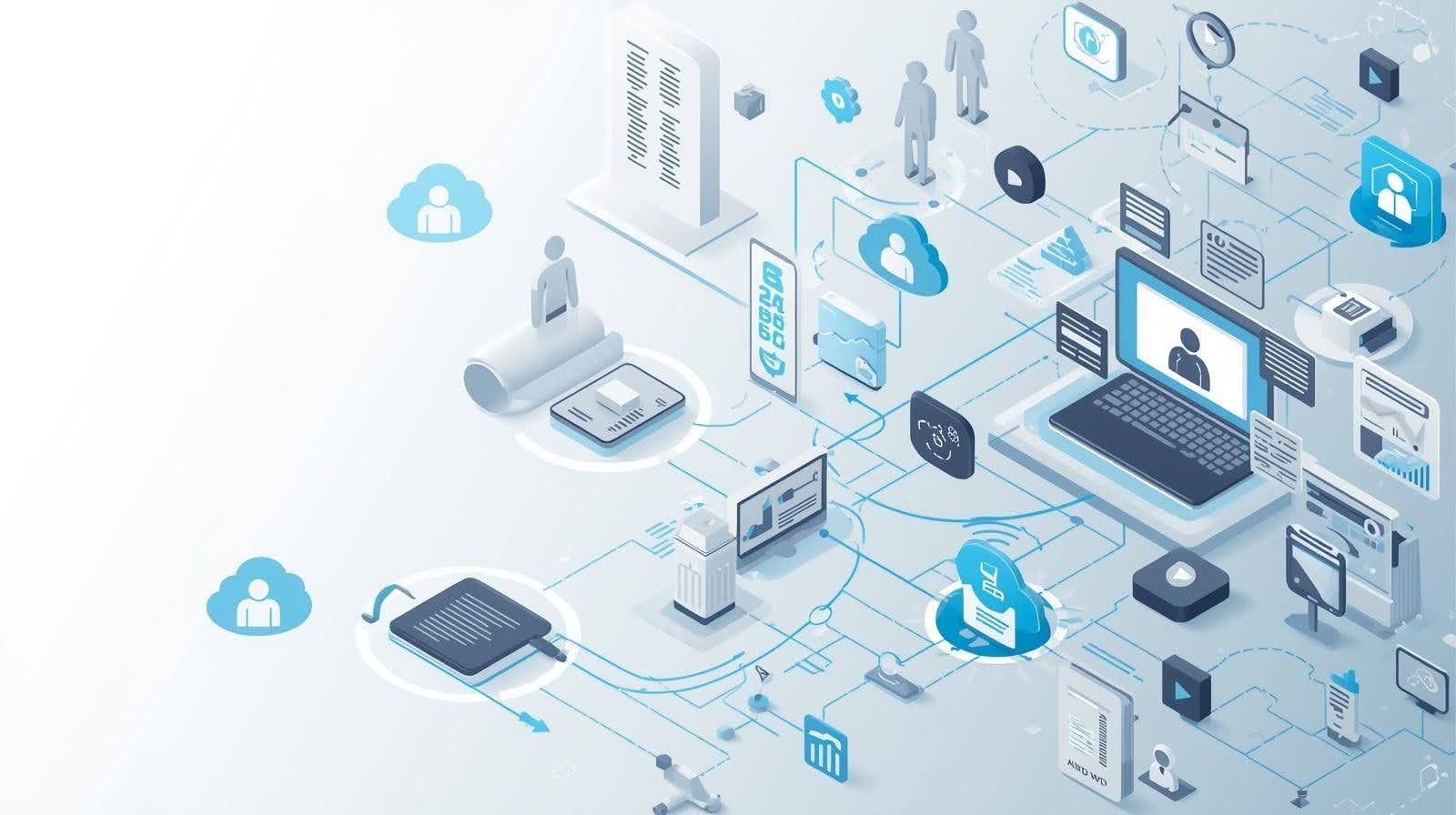
Moreover, with automation, the support teams can work on more difficult and high-value problems. Agents do not have to spend their time responding to redundant inquiries; therefore, they will be able to focus on issues that require human reasoning and understanding.
Personalization at scale
Personalized customer support at scale is one of the greatest benefits of AI in customer support. Through customer data analysis, the AI systems will be able to comprehend preferences, behavioral patterns, and previous interactions.
This allows enterprises to offer customized responses, propose suitable solutions, and foresee customer needs. In this case, AI may propose products, give proactive assistance or inform customers about the possible problems before they occur.
Personalization is not a luxury anymore; it is expected. That expectation can be achieved with the help of AI without the need to add workload.
AI support tools and omnichannel experience
By 2026, consumers will engage with companies on a variety of platforms- websites, mobile applications, social media, and messaging services. The work of such channels can be tricky to handle manually.
Artificial intelligence assistance tools are useful in consolidating these interactions into one system. They make sure that the customer communication is the same, irrespective of the platform. This makes it a smooth omnichannel experience in which customers do not need to repeat themselves or change systems that are not connected.
AI can also deliver real-time insights, which the business can use to track its performance, trends, and enhance its support strategies.
Benefits for businesses and customers
The benefits of AI in customer support are evident to businesses and customers.
In the case of businesses, it results in:
- Reduced operational costs
- Faster response times
- Improved efficiency
- Better resource allocation
To the customers, it implies:
- Instant support
- Personalized interactions
- Consistent service
- 24/7 availability
This is a win-win situation that can be viewed as one of the primary factors why the AI implementation in customer support only increases.
Challenges and considerations
Although AI in customer support has its benefits, it is not without difficulties. One of the main concerns is maintaining the human touch. Although automation can make things more efficient, customers do not lose empathy and understanding, particularly where situations are complex.
Another consideration is the privacy of data. AI systems cannot operate without customer data; companies should be able to comply with data protection regulations and be transparent.
Implementation is also an issue. Implementing AI in the current systems involves planning, investment, and the appropriate expertise.
The future of customer support
In the future, AI will keep developing and will be even more involved in customer support. We are heading in the direction of systems that can anticipate customer needs, proactively resolve issues, and provide hyper-personalized experiences.
The use of voice assistants, sentiment analysis, and sophisticated machine learning models will also improve the way businesses approach customers. It is not only about the resolution of issues but also the establishment of meaningful and satisfying customer experiences.
Conclusion
AI is no longer an add-on to customer support, but the foundation of the modern support system. Businesses can provide faster, smarter, and more personalized service through automation, chatbots, and intelligent tools.
With the ever-growing customer expectations, the use of AI-based support solutions is no longer a choice, but a necessity. Companies that adopt this change will be in a better position to establish stronger relationships, enhance customer satisfaction, and remain competitive in a digital world.
FAQs
Everything you need to know about our products and services
AI in customer support refers to the use of technologies like machine learning, natural language processing (NLP), and automation to handle customer queries, streamline workflows, and improve service efficiency. It includes tools like chatbots, virtual assistants, and AI-driven helpdesk systems.
AI chatbots provide instant responses, handle repetitive queries, and are available 24/7. They reduce wait times and ensure consistent support, allowing human agents to focus on more complex issues.
AI support tools help businesses reduce operational costs, improve response times, enhance customer satisfaction, and scale support operations without increasing workforce size.
No, AI is designed to assist (not replace) human agents. While it handles routine tasks, human agents remain essential for addressing complex issues, understanding emotions, and delivering personalized interactions.





Adnan Ghaffar is the visionary CEO of CodeAutomation.ai, a platform dedicated to transforming how businesses build software through cutting-edge automation. With over a decade of experience in software development, QA automation, and team leadership, Adnan has built a reputation for delivering scalable, intelligent, and high-performance solutions.
Under his leadership, CodeAutomation.ai has grown into a trusted name in AI-driven development, empowering startups and enterprises alike to streamline workflows, accelerate time-to-market, and maintain top-tier product quality. Adnan is passionate about innovation, process improvement, and building products that truly solve real-world problems.
More Articles

17/09/2026
GeoAI for Real Estate: How Artificial Intelligence Is Transforming Property Decisions

03/ 09/ 2026
How AI Development Services Help Businesses Scale

03/ 09/ 2025
How to Hire QA and Automation Engineers: A Complete Guide
Why Do 85% of AI Projects Fail? (And How to Be in Winning 15%)
28 March 2026
Choosing Between MAUI, Flutter, and Avalonia in 2026: Comprehensive Guide
04/ 04/ 2026