



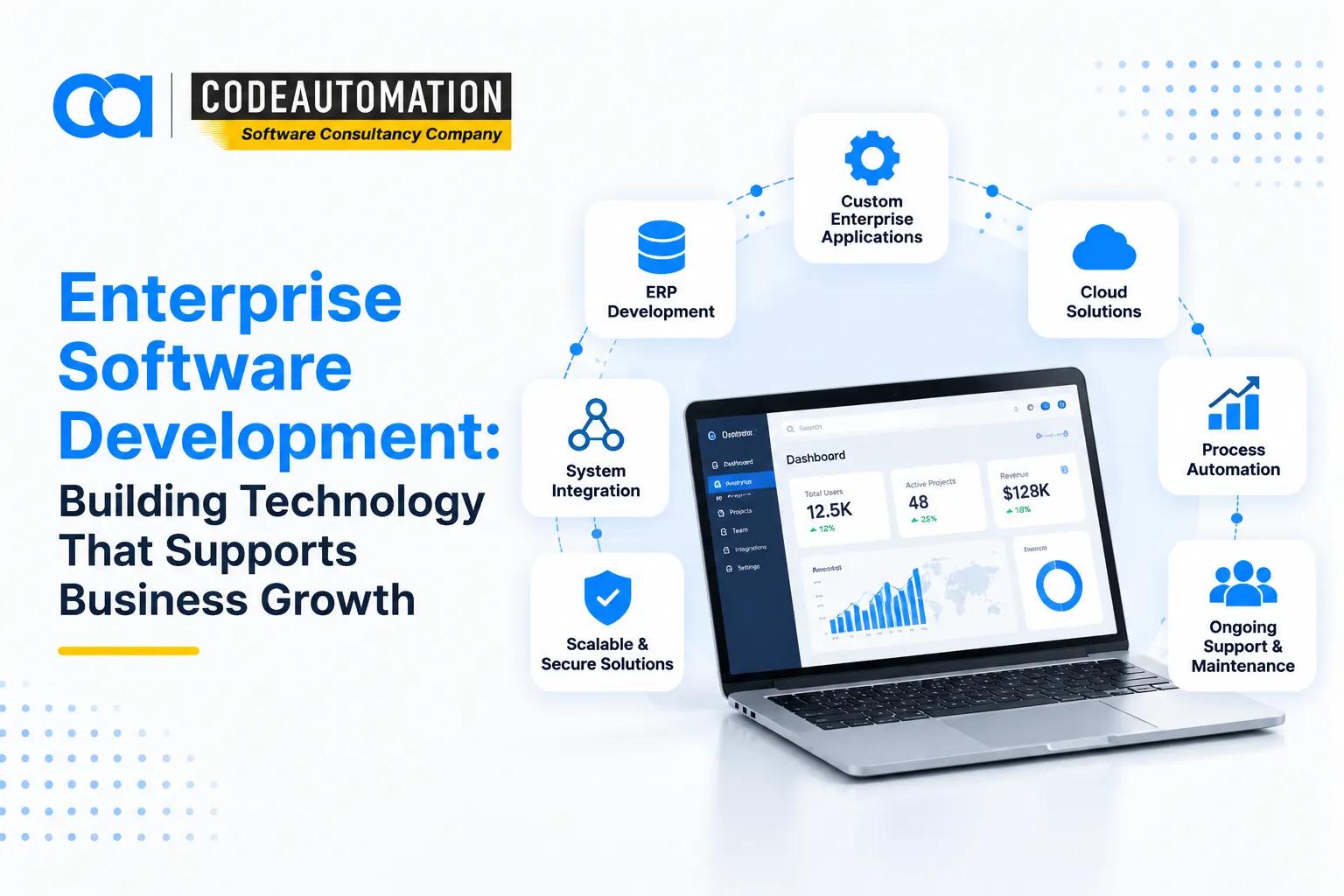
Enterprise Software Development: Building Technology That Supports Business Growth
Enterprise Software Development: Building Technology That Supports Business Growth
Published 28/10/2026
Modern enterprises rely on software to manage increasingly complex operations, data, teams, customers, and business processes. However, disconnected applications and rigid off-the-shelf platforms can eventually create operational bottlenecks instead of solving them.
Modern enterprises rely on software to manage increasingly complex operations, data, teams, customers, and business processes. However, disconnected applications and rigid off-the-shelf platforms can eventually create operational bottlenecks instead of solving them.
Enterprise software development helps organizations build secure, scalable, and integrated technology solutions designed around their specific operational requirements. From ERP and CRM platforms to workflow automation and internal business applications, the right enterprise software can improve efficiency, visibility, and decision-making across the organization.
What Is Enterprise Software Development?
Enterprise software development is the process of designing, building, integrating, and maintaining software applications that support large-scale business operations.
Unlike simple consumer applications, enterprise systems typically serve multiple departments, users, and business functions. They often need to manage large volumes of data, integrate with existing platforms, maintain strict security standards, and scale as the organization grows.
Enterprise software may be developed for areas such as operations, finance, sales, customer management, supply chain management, reporting, and internal workflow automation.
The primary goal is to create technology that aligns with the organization's processes rather than forcing employees to adapt their workflows to the limitations of generic software.
Enterprise Software vs. Custom Business Software
Enterprise software and custom business software are closely related, but they can serve different levels of organizational complexity.
Custom business software is designed to solve specific business problems. It may automate a particular workflow, replace spreadsheets, connect systems, or provide a specialized application for a department.
Enterprise software typically operates at a broader scale. It often supports multiple departments, integrates with numerous systems, and manages business-critical processes across the organization.
For example, a custom application might automate a company's employee onboarding process. An enterprise platform could manage HR processes, financial workflows, reporting, user permissions, and integrations across the entire organization.
Organizations that require highly tailored platforms can benefit from custom software development services for complex enterprise workflows and business operations, particularly when existing SaaS solutions cannot support their processes effectively.
Types of Enterprise Software
Enterprise software can take many forms depending on an organization's industry, operations, and technology requirements.
ERP
Enterprise Resource Planning (ERP) software helps organizations manage core business processes through a centralized system.
ERP platforms may support:
- Finance and accounting
- Human resources
- Procurement
- Inventory
- Manufacturing
- Project management
- Reporting
A customized ERP solution can provide greater flexibility when standard platforms require extensive workarounds or expensive modifications.
CRM
Customer Relationship Management (CRM) software helps businesses manage customer interactions and sales processes.
Enterprise CRM systems may include lead management, sales pipelines, customer communication, account management, marketing automation, and reporting.
Custom CRM development can be particularly valuable for organizations with specialized sales processes or complex customer journeys.

Ready to Automate Your Success?
From AI-powered applications to scalable software development, we help businesses automate workflows and accelerate growth.
Book a Free ConsultationBusiness Intelligence
Business intelligence software helps organizations transform operational data into useful insights.
These systems can combine information from multiple sources and present it through dashboards, reports, and analytics tools. Business intelligence solutions allow leadership teams to monitor performance, identify trends, and make more informed decisions.
Workflow Management
Workflow management systems automate and coordinate business processes.
For example, an enterprise workflow platform may automatically route approvals, assign tasks, trigger notifications, update records, and track the progress of operational processes.
Automation reduces repetitive manual work while improving consistency and accountability.
Supply Chain Systems
Supply chain software helps organizations manage the movement of products, materials, information, and resources.
Depending on the business, these systems may support inventory management, supplier coordination, procurement, logistics, forecasting, and order processing.
Custom development can help connect supply chain operations with existing ERP, warehouse, financial, and customer systems.
Internal Business Applications
Many enterprises require applications that are used exclusively by employees or internal teams.
These applications may support employee management, operations, compliance, document processing, internal communication, approvals, reporting, or specialized industry workflows.
Custom internal applications allow businesses to build technology around the way their teams actually work.
Benefits of Custom Enterprise Software
Custom enterprise software provides several advantages over generic platforms.
Greater operational alignment: The software can be designed around existing processes and business requirements.
Improved integration: Custom systems can connect with existing applications, databases, APIs, and third-party platforms.
Better automation: Repetitive processes can be automated across departments.
Enhanced control: Businesses have greater control over features, data, user permissions, and future development.
Competitive differentiation: Proprietary software can support unique workflows and operational capabilities that competitors cannot easily replicate.
Most importantly, custom enterprise software can evolve alongside the organization instead of forcing the business to repeatedly migrate between software platforms.
Enterprise Software Development Process
Successful enterprise software development requires a structured process that connects technology decisions with business objectives.
1. Requirements Discovery
The development process begins by understanding the organization's workflows, users, systems, challenges, and goals.
This stage identifies what the software needs to accomplish and how it will interact with existing business processes.
2. Solution Architecture
Developers and architects define the application's technical structure, including databases, integrations, security requirements, infrastructure, and scalability considerations.
3. UX and Interface Design
Enterprise applications must be functional and easy for employees to use. Interfaces are designed around user roles and the workflows each team performs.
4. Development and Testing
The application is developed in stages, with continuous testing to identify functional, security, and performance issues.
5. Integration and Deployment
The software is connected with required enterprise systems and deployed into the appropriate environment.
6. Continuous Improvement
Enterprise software should continue evolving as business processes, technologies, and organizational requirements change.
Enterprise Software Integration
Most enterprises already use multiple software platforms. A new application must often integrate with systems such as CRMs, ERPs, accounting software, cloud platforms, payment systems, databases, and internal applications.
Effective integration prevents information silos and reduces duplicate data entry.
For example, a custom enterprise application may automatically exchange information between a CRM and financial system, allowing departments to work from more accurate and consistent data.
API development, middleware, cloud services, and integration platforms can all play a role in connecting enterprise technology.
Enterprise Software Security
Enterprise applications often manage sensitive business and customer information, making security a critical part of the development process.
A secure enterprise software strategy may include:
- Role-based access controls
- Authentication and authorization
- Data encryption
- Secure APIs
- Audit logs
- Regular security testing
- Backup and recovery systems
- Compliance-focused data management
Enterprise Software Scalability
Enterprise software must be able to support growth without sacrificing performance.
As an organization expands, its software may need to accommodate more users, transactions, data, locations, and integrations.
Scalable architecture allows businesses to increase system capacity efficiently. Cloud infrastructure, modular application design, optimized databases, and distributed services can all support long-term scalability.
Enterprise Software Development Cost
The cost of enterprise software development varies depending on the size and complexity of the project.
Major cost factors include:
- Number of features
- System complexity
- Required integrations
- Security requirements
- Number of users
- Data migration
- Infrastructure requirements
- Custom UI and UX design
- Scalability requirements
- Ongoing maintenance
A simple internal application may require significantly less investment than a large ERP platform connecting multiple departments and external systems.
Build vs. Buy Enterprise Software
One of the most important technology decisions for an enterprise is whether to build a custom solution or purchase an existing platform.
Buying software can be faster and may have a lower initial cost. SaaS and commercial enterprise platforms are often suitable when a company's requirements closely match standard functionality.
Building custom software becomes more attractive when existing platforms require extensive workarounds, expensive customization, or multiple additional tools.
A custom solution may be the better choice when a business has:
- Unique workflows
- Complex integrations
- Specialized industry requirements
- High automation needs
- Data ownership requirements
- Scalability concerns
- Long-term technology goals
How to Choose an Enterprise Software Development Company
Choosing the right development partner can significantly influence the success of an enterprise software project.
Look for a company with experience in:
- Complex software architecture
- Enterprise integrations
- Cloud infrastructure
- Cybersecurity
- Scalability planning
- API development
- Workflow automation
- Long-term software maintenance
The right development company should also take time to understand your business processes before recommending technology.
Frequently Asked Questions (FAQs)
Everything you need to know about our products and services
Enterprise software development is the process of creating software applications that support large-scale business operations. These applications may manage data, workflows, customers, employees, financial processes, supply chains, and other critical business functions.
Enterprise software typically supports larger, more complex operations involving multiple departments, users, integrations, and high volumes of data. Regular business software may focus on a specific task or department.
Development timelines depend on the complexity of the application. Smaller internal systems may take several months, while complex enterprise platforms with multiple integrations and advanced functionality can require significantly longer.
Neither option is always better. SaaS is often suitable for standardized requirements, while custom enterprise software is more valuable when an organization has unique workflows, complex integrations, or requirements that cannot be effectively supported by existing platforms.
Enterprise software development costs vary based on features, integrations, security requirements, infrastructure, and system complexity. The best way to evaluate cost is to define the required functionality and assess the long-term operational value the software can provide.





Adnan Ghaffar is the visionary CEO of CodeAutomation.ai, a platform dedicated to transforming how businesses build software through cutting-edge automation. With over a decade of experience in software development, QA automation, and team leadership, Adnan has built a reputation for delivering scalable, intelligent, and high-performance solutions.
Under his leadership, CodeAutomation.ai has grown into a trusted name in AI-driven development, empowering startups and enterprises alike to streamline workflows, accelerate time-to-market, and maintain top-tier product quality. Adnan is passionate about innovation, process improvement, and building products that truly solve real-world problems.
More Articles
25/08/2026
How to Choose a Custom Software Development Company
02/09/2026
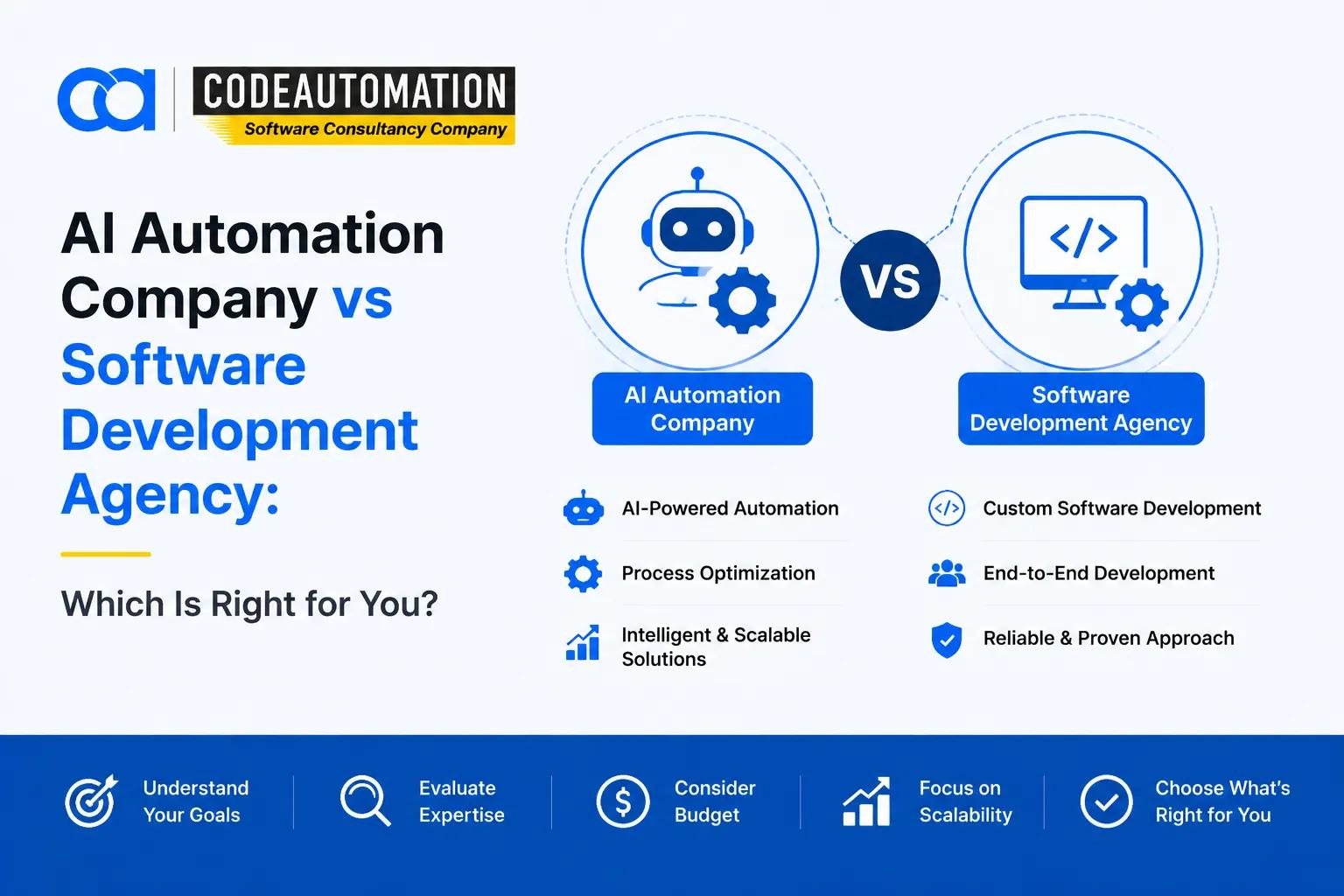
AI Automation Company vs Software Agency: Which Is Right for You?
18/09/2026
GIS Solutions for Logistics: How Geospatial Technology Improves Supply Chain Operations
01/09/2026
How Custom Software Helps Small Businesses Grow and Improve Efficiency
18/10/2026
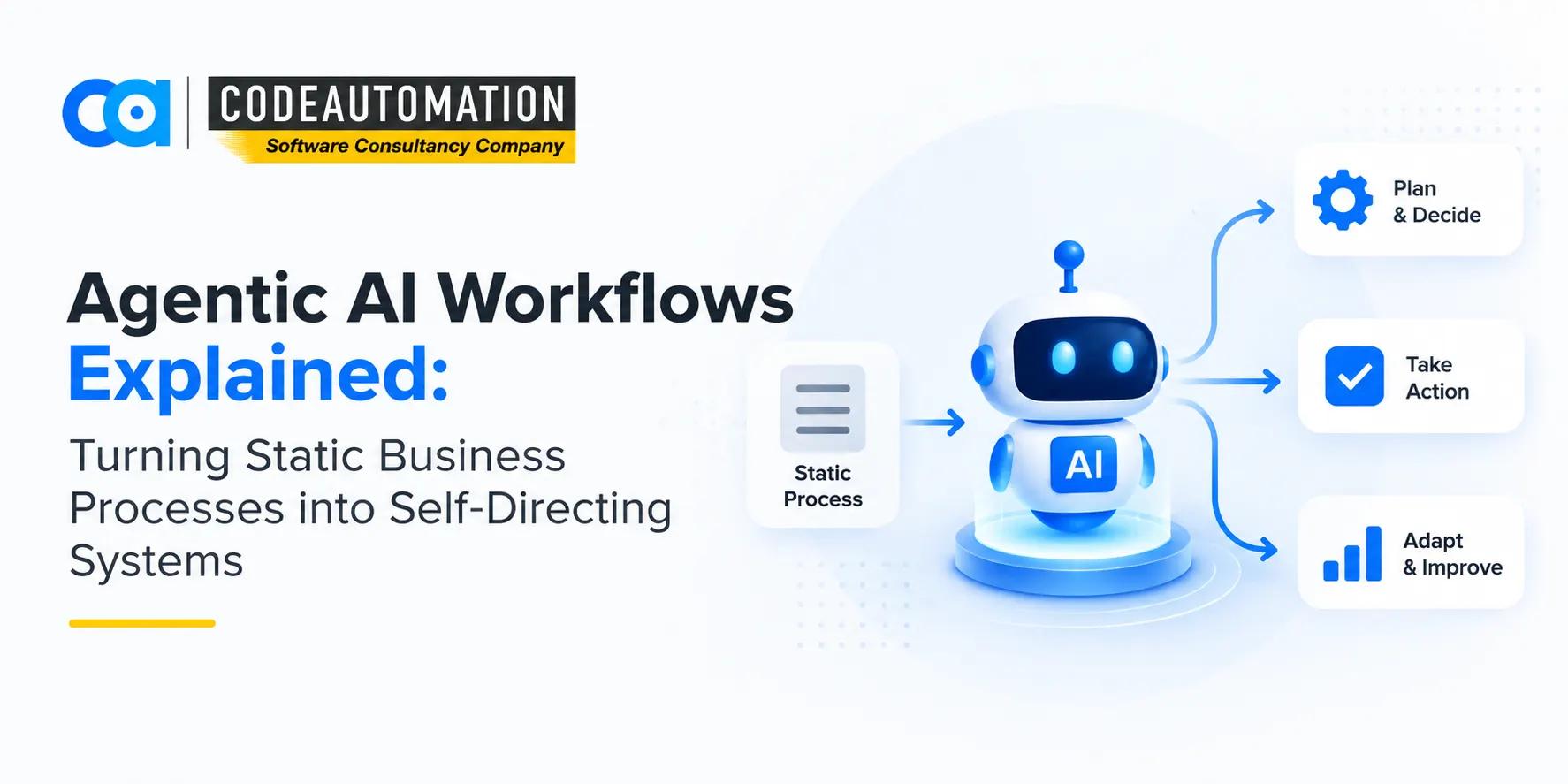
Agentic AI Workflows Explained: Turning Static Business Processes into Self-Directing Systems
22/08/2026


