























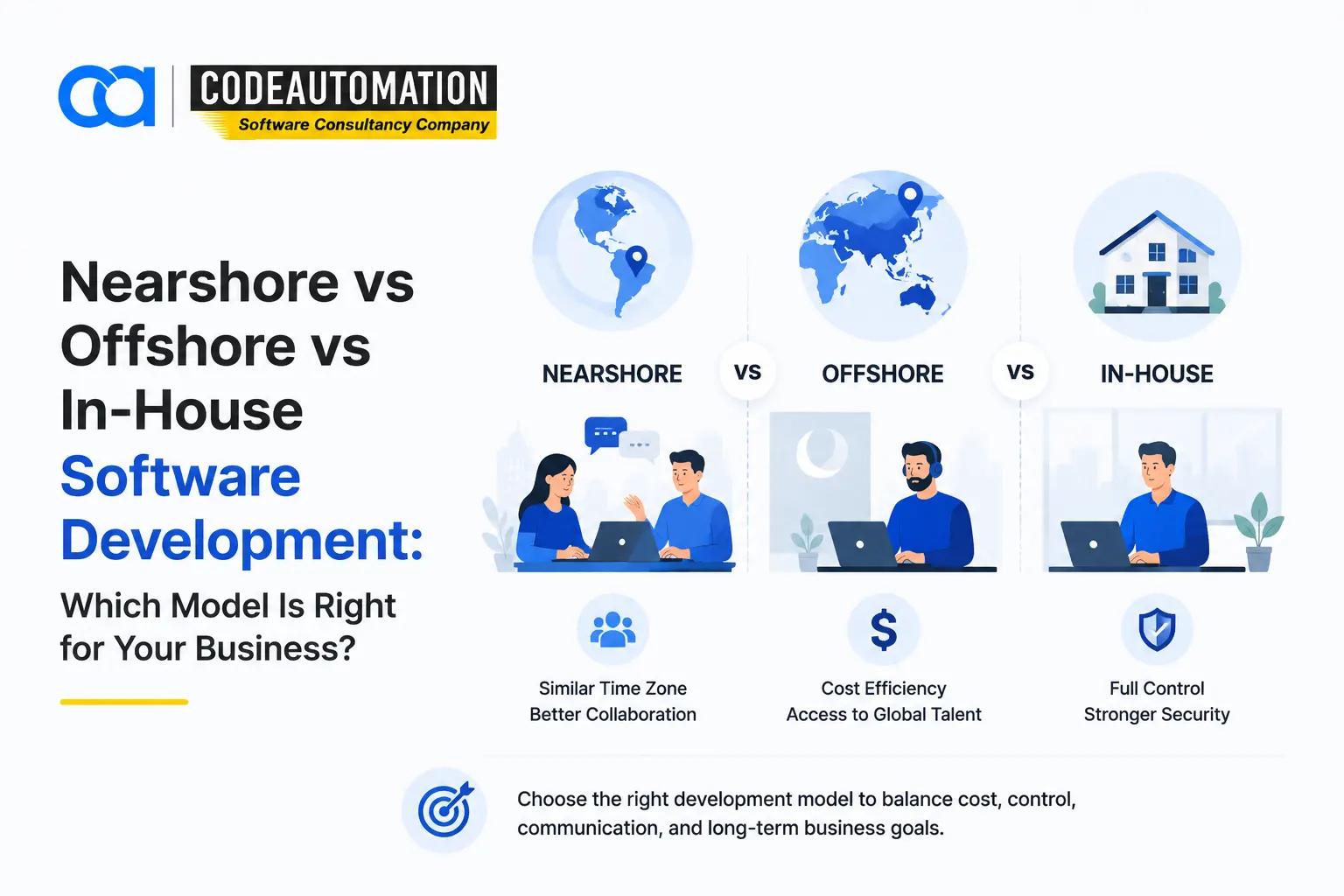
Nearshore vs Offshore vs In-House Software Development: Which Model Is Right for Your Business?
Published 28/08/2026
Choosing the right software development model can directly impact your product quality, development speed, operational costs, and ability to scale.

Ready to Automate Your Success?
From AI-powered applications to scalable software development, we help businesses automate workflows and accelerate growth.
Book a Free ConsultationChoosing the right software development model can directly impact your product quality, development speed, operational costs, and ability to scale.
For startups, growing businesses, and enterprises, building software is no longer only a technical decision. Companies must decide how they will access engineering talent, manage development processes, maintain control, and support long-term growth.
The three most common approaches are:
- In-house software development
- Nearshore software development
- Offshore software development
Each model has different advantages and challenges. The right choice depends on factors such as project complexity, budget, collaboration needs, security requirements, and internal technical capabilities.
This guide compares nearshore, offshore, and in-house development models to help businesses choose the approach that best fits their goals.
What Is In-House Software Development?
In-house software development involves creating and managing an internal team of software engineers, designers, product managers, and QA specialists who work directly for the organization.
These employees operate within the company structure and develop a deep understanding of business processes, customers, and long-term product goals.
Advantages of In-House Development
Complete Control Over Development
Companies have direct control over:
- Technical decisions
- Development priorities
- Team processes
- Product direction
This makes in-house teams valuable for businesses where software is a core competitive advantage.
Strong Business Alignment
Internal teams usually have deeper knowledge of:
- Company goals
- Customer requirements
- Internal workflows
- Product strategy
This can improve decision-making and product consistency.
Better Knowledge Retention
Technical knowledge stays within the organization, reducing dependency on external providers.
Challenges of In-House Development
Higher Costs
Building an internal engineering team requires investment in:
- Salaries
- Benefits
- Recruitment
- Training
- Infrastructure
Hiring Challenges
Finding experienced developers in areas such as AI, cloud architecture, cybersecurity, and advanced software engineering can take significant time.
Limited Scalability
Increasing or reducing team size requires lengthy hiring or restructuring processes.
What Is Nearshore Software Development?
Nearshore software development involves partnering with external development teams located in nearby countries or regions with similar working hours.
For example, US companies often work with nearshore teams in Latin America because of timezone overlap and easier collaboration.
Nearshore development provides a balance between cost efficiency and communication convenience.
Advantages of Nearshore Development
Real-Time Collaboration
Nearshore teams typically have overlapping working hours, making it easier to:
- Conduct daily meetings
- Resolve issues quickly
- Collaborate through Agile workflows
Cultural and Communication Alignment
Working with teams that share similar business practices and communication styles can reduce misunderstandings.
Access to Skilled Talent
Companies gain access to additional engineering talent without limiting themselves to local hiring markets.
Challenges of Nearshore Development
Higher Cost Compared With Offshore
Nearshore development generally costs more than offshore outsourcing because teams operate closer to the client's market.
Limited Availability in Certain Technologies
Some specialized skills may require broader global sourcing.
What Is Offshore Software Development?
Offshore software development involves partnering with development teams located in distant countries or regions.
Companies commonly choose offshore development to access larger talent pools and optimize development costs.
Offshore teams can provide significant cost advantages, but successful outcomes depend on communication processes, vendor quality, and project management practices.
Advantages of Offshore Development
Cost Efficiency
Offshore development often provides access to skilled developers at lower regional labor costs.
Global Talent Access
Businesses can access developers with expertise across:
- Software engineering
- Cloud technologies
- AI development
- Data engineering
- Enterprise applications
Flexible Scaling
Offshore providers can often increase or decrease team capacity based on project requirements.
Challenges of Offshore Development
Time Zone Differences
Large time differences can make real-time collaboration more difficult.
Companies usually need:
- Clear documentation
- Structured communication
- Defined workflows
Communication Management
Successful offshore projects require strong processes to ensure requirements are understood correctly.
Nearshore vs Offshore vs In-House: Key Differences
Cost
In-House
Highest direct investment because companies manage all employee-related costs internally.
Nearshore
Provides cost savings while maintaining easier collaboration.
Offshore
Often provides the strongest cost advantage but requires effective management processes.
Communication
In-House
Offers the easiest communication because teams share the same organizational environment.
Nearshore
Provides strong communication through time zone overlap and closer collaboration.
Offshore
Requires stronger documentation and communication structures because teams may work across different time zones.
Talent Availability
In-House
Limited by local hiring markets.
Nearshore
Expands access to regional engineering talent.
Offshore
Provides access to global talent pools across multiple technology specialties.
Scalability
In-House
Scaling requires hiring, onboarding, and internal management.
Nearshore
Allows businesses to expand teams faster through external partners.
Offshore
Provides flexible access to larger engineering resources.
Security and Intellectual Property
In-House
Provides maximum internal control over sensitive information.
Nearshore and Offshore
External teams can also support secure development when companies use:
- Proper contracts
- Access controls
- Security standards
- Clear ownership agreements
Security depends more on processes and vendor practices than location alone.
Hybrid Software Development Model: Combining Multiple Approaches
Many organizations no longer choose only one development model.
A hybrid approach combines internal teams with external development partners.
For example:
- Internal teams manage product strategy and architecture
- External teams provide engineering capacity and specialized skills
This model allows businesses to maintain control while gaining flexibility and scalability. Hybrid approaches are increasingly considered by companies balancing internal expertise with external execution capacity.
Benefits of Hybrid Development
- Maintain ownership of core product decisions
- Access specialized technical skills
- Scale development faster
- Optimize engineering costs
Which Development Model Is Best for Startups?
Startups usually prioritize:
- Speed
- Budget control
- Product validation
For many startups, a hybrid or outsourced approach works well because it allows them to build products without investing heavily in a large internal engineering team.
A common approach is:
- Keep product vision and business knowledge internally
- Use external developers for faster execution
Which Development Model Is Best for Small Businesses?
Small businesses often need technology solutions without managing a full engineering department.
Nearshore development can be a strong option because it provides:
- Easier communication
- Faster collaboration
- Access to experienced developers
It helps businesses build software solutions while avoiding the overhead of maintaining a large internal team.
Which Development Model Is Best for Enterprises?
Enterprises usually require:
- Scalability
- Security
- Compliance
- Specialized expertise
Many enterprises use hybrid models where internal teams manage strategy while external partners support:
- Product development
- System modernization
- Testing
- Maintenance
How to Choose the Right Software Development Model
The right choice depends on your business priorities.
Consider Your Budget
If reducing operational costs is important, nearshore or offshore models may provide better flexibility.
Evaluate Product Complexity
Highly sensitive or business-critical systems may require stronger internal ownership.
Assess Management Capability
Outsourced teams require clear communication, project management, and defined processes.
Consider Delivery Speed
Businesses that need to launch quickly may benefit from external teams with ready technical resources.
How to Choose the Right Development Partner
Selecting the right partner is as important as selecting the right model.
Consider:
Technical Expertise
Evaluate experience with:
- Your required technologies
- Similar projects
- Modern development practices
Communication Process
Look for:
- Transparent reporting
- Regular updates
- Clear collaboration methods
Security Practices
Review:
- Data protection policies
- Access controls
- Intellectual property agreements
Proven Experience
Analyze:
- Case studies
- Client reviews
- Previous projects
Nearshore vs Offshore vs In-House: Final Comparison
There is no universal winner between in-house, nearshore, and offshore development.
The best choice depends on your:
- Budget
- Product goals
- Technical requirements
- Collaboration needs
- Growth plans
In-house teams provide maximum control. Nearshore teams provide a balance between collaboration and flexibility. Offshore teams provide global talent access and cost efficiency.
Many businesses achieve the best results by combining internal expertise with external development capabilities through a strategic outsourcing approach.
Conclusion
Choosing between nearshore, offshore, and in-house software development requires evaluating more than just cost.
Businesses should consider communication, scalability, security, technical requirements, and long-term goals before selecting a development approach.
The right model helps organizations build better software, access the right expertise, and create a sustainable path for growth through custom software development services.
For companies looking to expand engineering capabilities, software development outsourcing services can provide access to experienced teams while improving delivery speed and flexibility.
Frequently Asked Questions (FAQs)
Everything you need to know about our products and services
Nearshore development is often better for projects requiring frequent collaboration and time zone overlap. Offshore development may be more suitable for businesses prioritizing cost efficiency and global talent access.
In-house teams provide direct control, but external teams can also maintain strong security practices through proper agreements, access controls, and development processes.
Offshore development typically provides the lowest labor costs, while nearshore offers a balance between cost savings and easier collaboration.
Many startups use outsourcing or hybrid models to access technical expertise, reduce hiring costs, and accelerate product development.
A hybrid model combines internal teams with external development partners to balance product ownership, scalability, and specialized technical expertise.





Adnan Ghaffar is the visionary CEO of CodeAutomation.ai, a platform dedicated to transforming how businesses build software through cutting-edge automation. With over a decade of experience in software development, QA automation, and team leadership, Adnan has built a reputation for delivering scalable, intelligent, and high-performance solutions.
Under his leadership, CodeAutomation.ai has grown into a trusted name in AI-driven development, empowering startups and enterprises alike to streamline workflows, accelerate time-to-market, and maintain top-tier product quality. Adnan is passionate about innovation, process improvement, and building products that truly solve real-world problems.
More Articles
04/09/2026
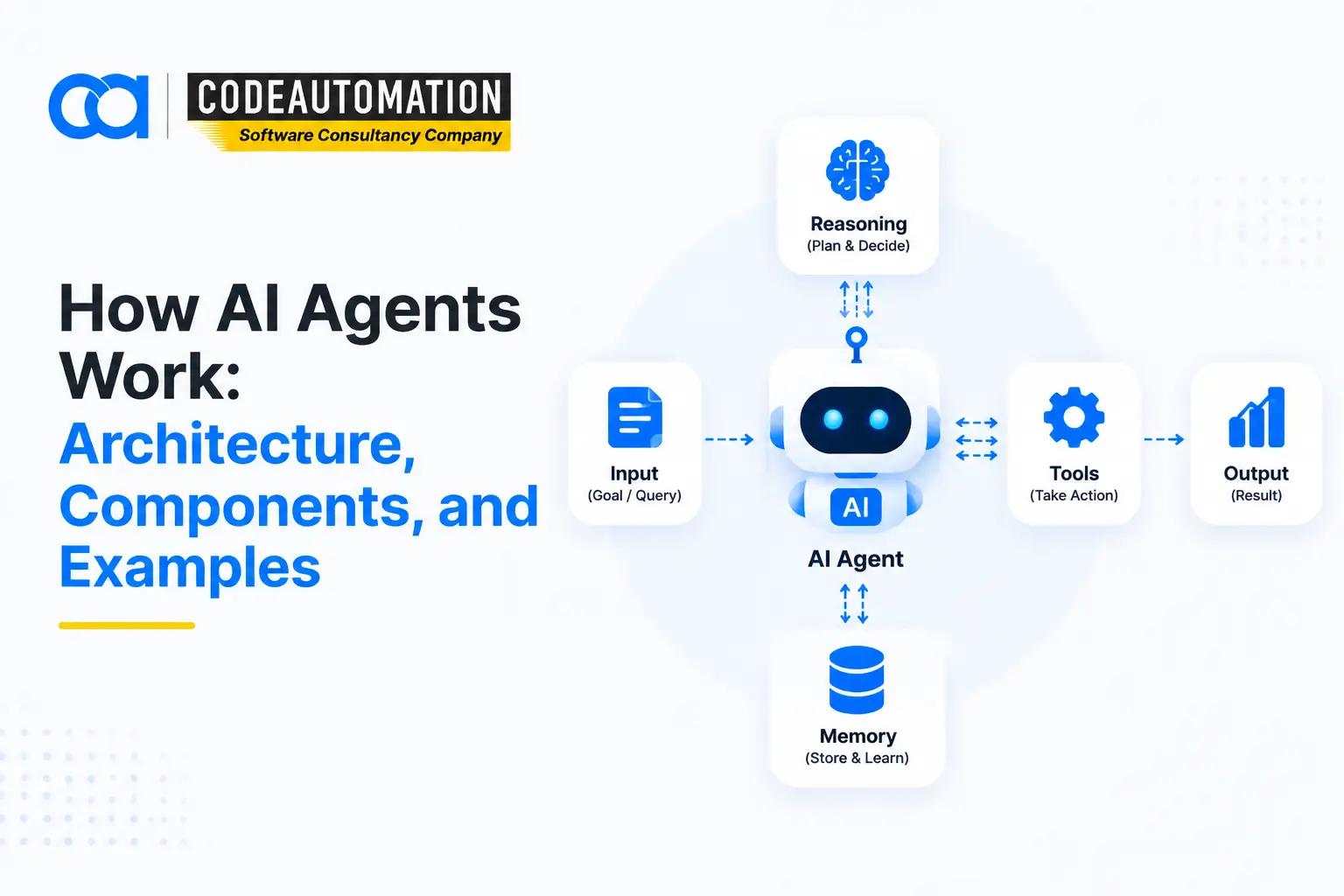
How AI Agents Work: Architecture, Components, and Examples

31/08/2026
How Much Do AI Automations Cost in 2026?
01/09/2026
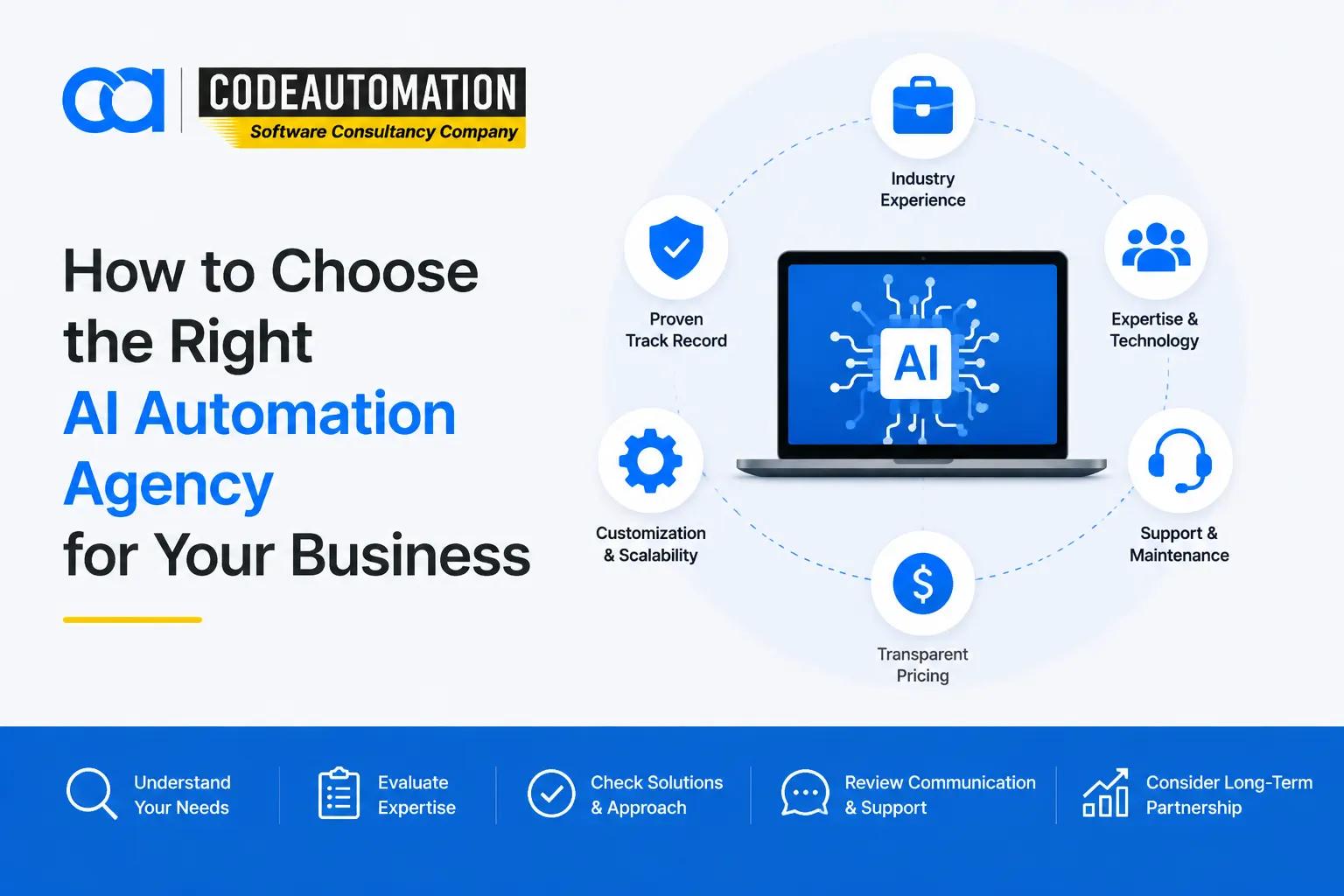
How to Choose the Right AI Automation Agency for Your Business
01/10/2026
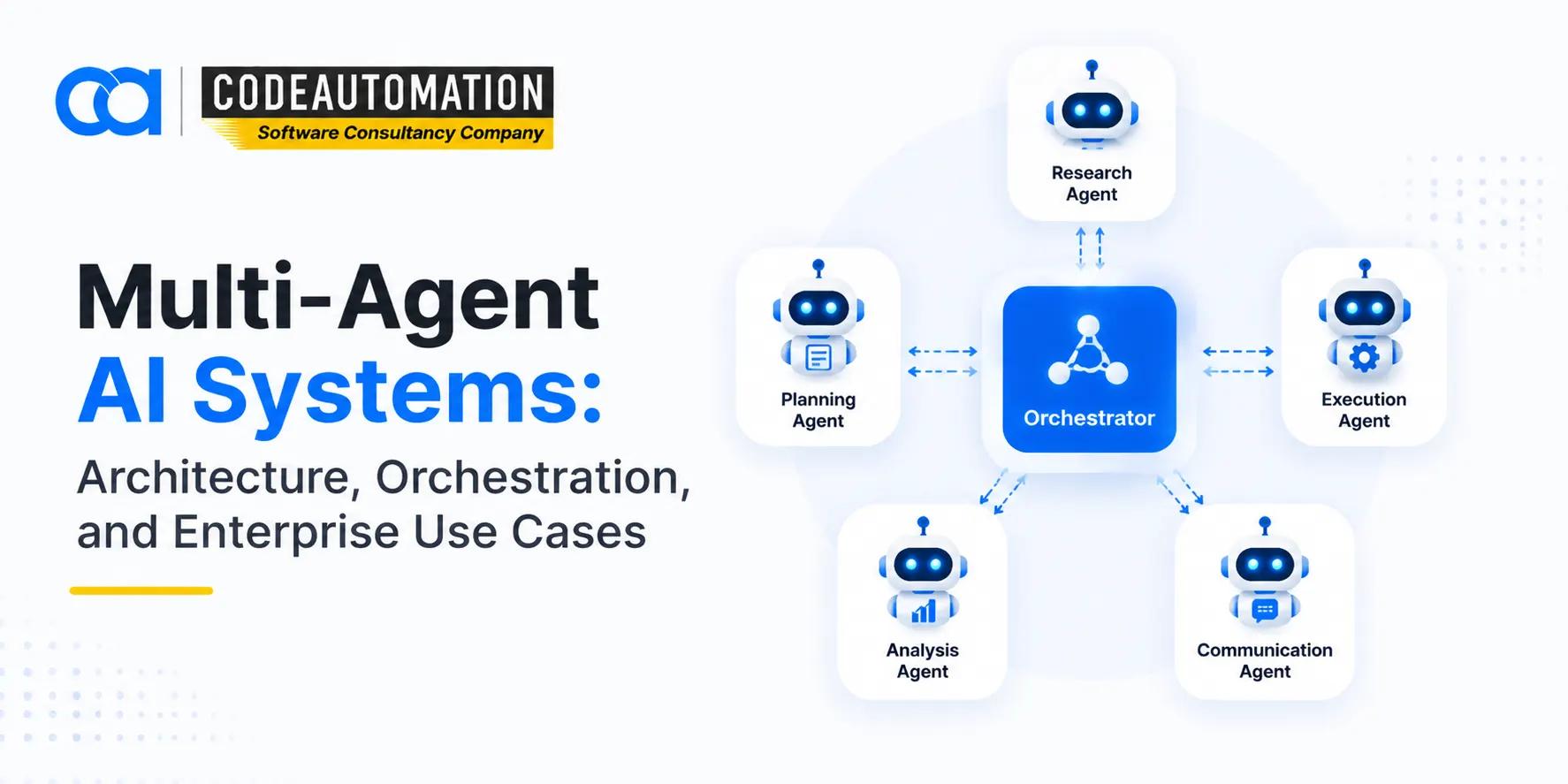
Multi-Agent AI Systems: Architecture, Orchestration, and Enterprise Use Cases
08/09/2026
Applications of Artificial Intelligence: Uses, Examples, and Business Impact
01/09/2026