























How a robotic process automation company can transform your business
Transform Your Business with RPA: Benefits, Use Cases & Strategy
Published 03/ 27/ 2026
Any business involves repetitive work. These activities are time-consuming, whether it is entering data, processing invoices, managing reports, or processing routine customer requests. They are essential but tend to reduce productivity and create less space to do relevant work. It is at this point that a robot process automation company can come in.

Ready to Automate Your Success?
From AI-powered applications to scalable software development, we help businesses automate workflows and accelerate growth.
Book a Free ConsultationBusinesses are abandoning manual application when carrying out routine processes and instead turning to automation to perform such tasks more quickly and with greater precision. RPA (Robotic Process Automation) can be seen as a system that enables companies to program software bots to automate rule-based processes. They are capable of executing tasks as humans do without mistakes, time wastage, or exhaustion.
What does a robotic process automation company do?
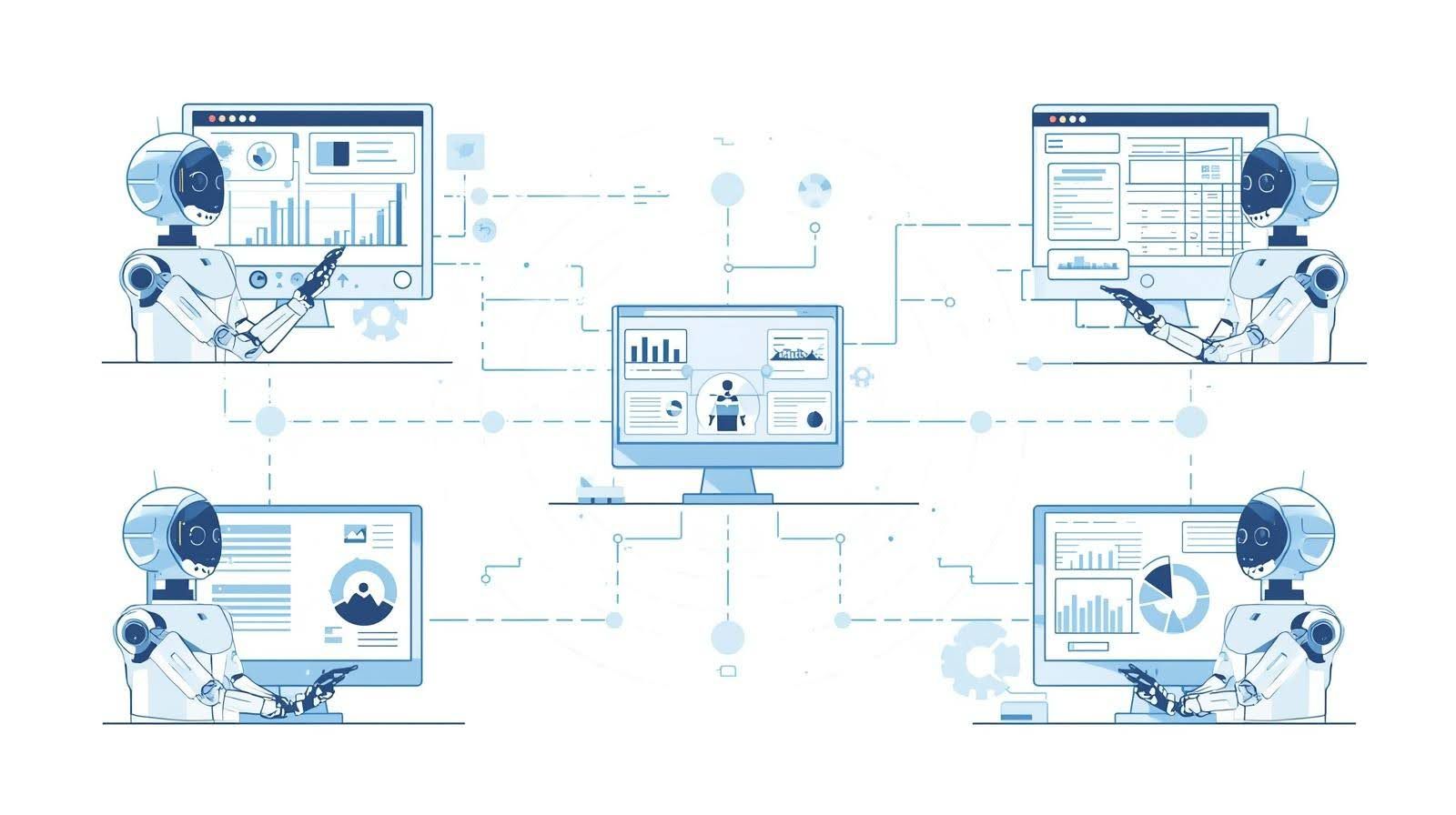
A robotic process automation firm assists companies in identifying, designing, and automating repetitive tasks as part of robotic process automation. These are more than mere bot setups by these companies. They investigate work processes, learn how business works, and develop automation plans that truly bring results.
This process usually starts with RPA consulting when specialists review existing operations and determine which of them can be automated. This step is important to make sure that businesses are prioritizing high-impact areas; not everything needs to be automated.
When the opportunities are identified, the company proceeds to RPA implementation. This is done by designing bots, incorporating them into existing systems, and testing them to see that they come together properly. A range of companies also offer continuous support and optimization after the deployment.
Why businesses are turning to automation solutions
Automation solutions have become increasingly popular in the past few years, and rightfully so. Companies desire to work more quickly, less expensively, and more accurately. RPA will support all these objectives.
Time saving is one of the greatest benefits. Minutes are taken to complete in the past few hours. This will enable the employees to work on more important work rather than on repetitive jobs.
Another huge advantage is accuracy. Large volumes of data are also prone to errors due to manual processing. RPA bots operate by adhering to established rules, and this considerably eliminates errors.
Economical cost also has a major role. With automation of repetitive tasks, a business is able to save on operational costs and still be able to maintain quality.
Real impact on daily operations
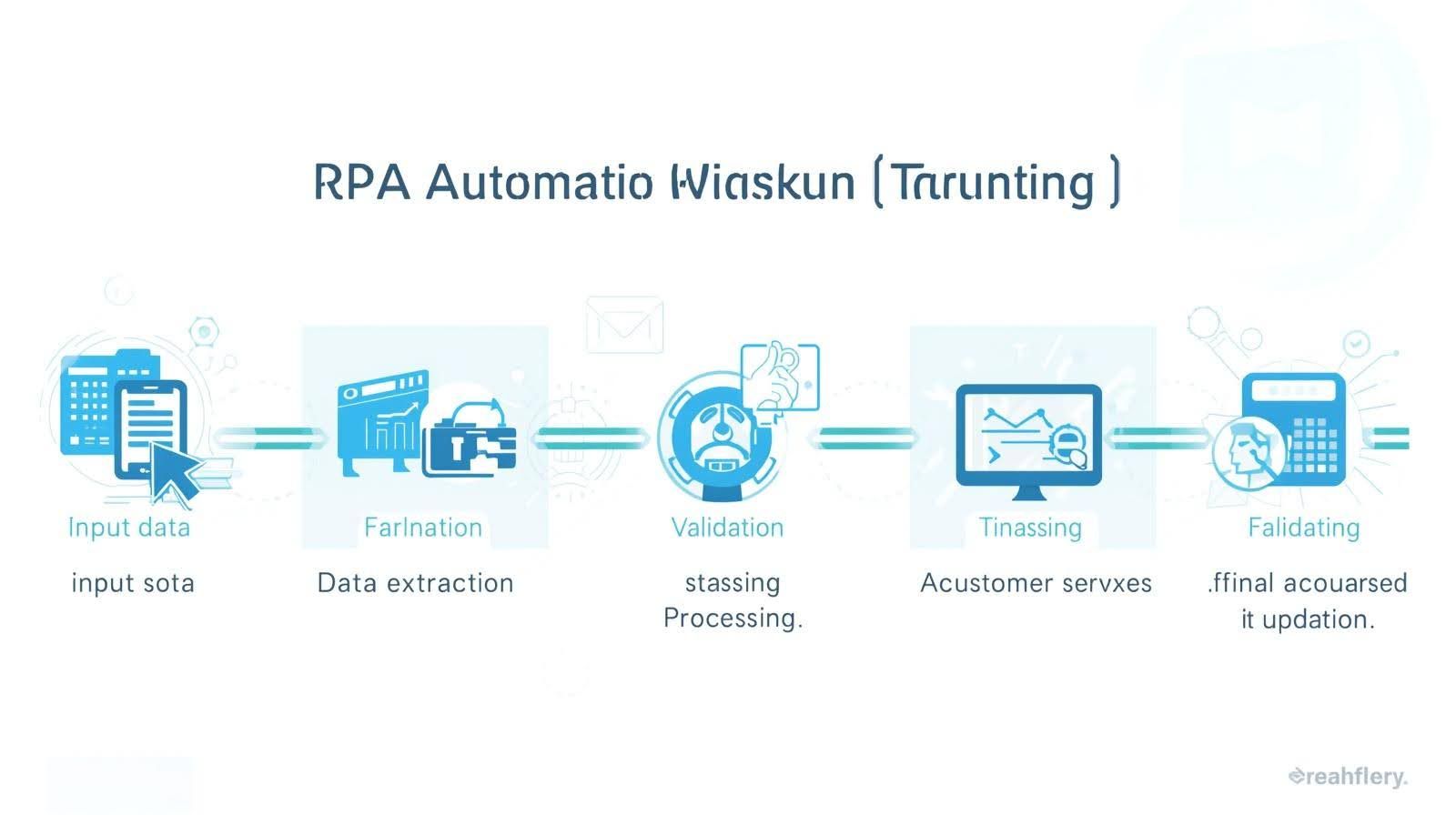
The effects of RPA are evident when you consider the daily activities. Take the example of a finance department that handles hundreds of invoices weekly. This process is done manually by entering data, verifying, and approving the data without automation.
Using RPA, a robot can read the information off the invoices, compare it with the records, and update the system automatically. What might have taken hours of human labor to occur can now be done in a fraction of a minute.
Another area that RPA can help is customer service. Robots are able to answer the most frequent questions, update customers, and receive orders without a human. This results in increased response speeds and improved customer experiences.
Automation can be beneficial even to HR teams. RPA tools can streamline tasks like onboarding of employees, the processing of their payroll, and the management of data.
The importance of proper RPA implementation
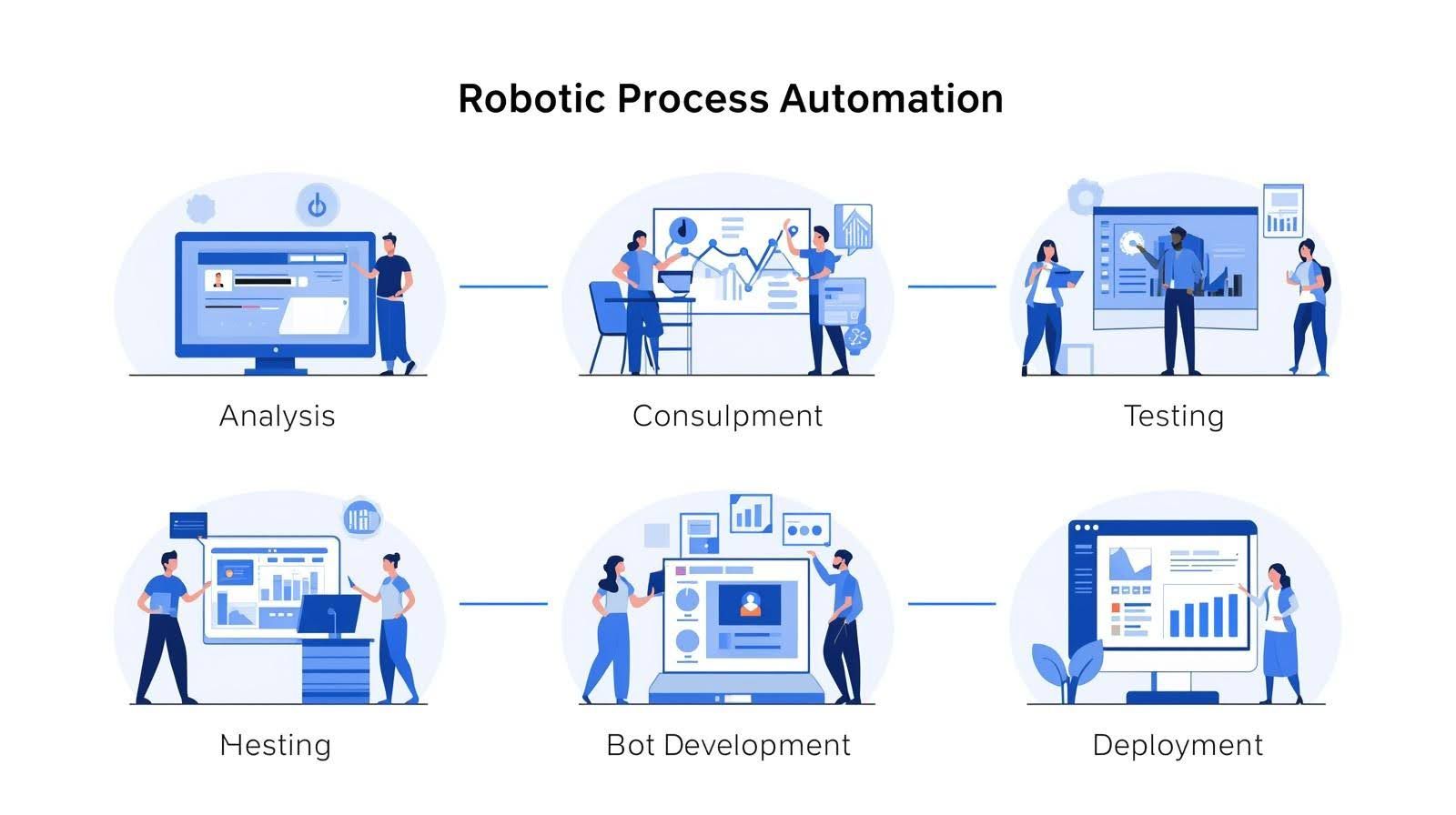
Although the benefits of RPA are obvious, its implementation success hinges on implementation. The lack of appropriate implementation may result in inefficiencies and losses.
An efficient robotic process automation firm would make automation relevant to the business objectives. This is done to thoroughly chart out workflows, find dependencies, and create bots that can blend into existing systems.
RPA also involves testing as an important aspect. Bots should be tested in actual life situations so that they can work as anticipated. This minimizes the possibility of post-deployment errors.
Scalability is another consideration. The automation requirements of a business change as the business expands. An organization with an implemented RPA can be scaled to accommodate more work without problems.
RPA consulting and strategy
Businesses that want to automate must have a strategy. Here is where the RPA consulting comes in.
Consultants are hired by organizations to learn about their operations and objectives. They assist in determining what work may be automated and what must be manual. This will make automation as valuable as possible.
They also assist businesses in future planning. RPA is not a solution in one instance. It is included in a larger digital transformation strategy. Companies can create a roadmap that can help them grow in the long run with the right guidance.
Challenges and how companies overcome them
As with any technology, RPA is not without challenges. There are those businesses that fear integration with current systems, and others fear change management.
An experienced robotic process automation firm will overcome these challenges at the initial stage. They make sure that bots do not interfere with existing systems and offer training to assist teams in adjusting to new working patterns.
Scalability is another popular issue. It is in the interest of businesses to make sure that as they expand, their automation projects retain their value. RPA systems are scalable with the right planning and design.
Final thoughts
All businesses have repetitive tasks, which do not necessarily need to slug you. The assistance of a robotic process automation company allows organizations to optimize their processes, minimize mistakes, and enhance overall efficiency.
By utilizing high-quality RPA consulting services, successful RPA deployment, and sustainable automation tools, companies can change their working practice. Teams can invest in innovation, strategy, and growth as opposed to spending time on routine activities.
RPA is not an option any longer in a world of speed and efficiency like never before. Businesses are rapidly finding it to be a requirement that helps them remain competitive and future-proof.
Frequently Asked Questions (FAQs)
Everything you need to know about our products and services
Robotic Process Automation (RPA) is a technology that uses software bots to automate repetitive, rule-based tasks such as data entry, invoice processing, report generation, and system updates, improving accuracy and efficiency.
Businesses use RPA to reduce manual work, minimize errors, improve productivity, lower operational costs, and accelerate business processes. It allows employees to focus on higher-value tasks instead of repetitive activities.
The three most widely used RPA platforms are UiPath, Automation Anywhere, and Blue Prism. Each provides tools for building, managing, and scaling automation across business operations.
UiPath is often recommended for beginners because of its intuitive drag-and-drop interface, strong documentation, free Community Edition, and extensive learning resources.
CodeAutomation helps businesses design, develop, and deploy custom RPA solutions that automate repetitive workflows, integrate with existing systems, and improve operational efficiency. Its automation solutions are tailored to meet specific business requirements and support long-term scalability.





Adnan Ghaffar is the visionary CEO of CodeAutomation.ai, a platform dedicated to transforming how businesses build software through cutting-edge automation. With over a decade of experience in software development, QA automation, and team leadership, Adnan has built a reputation for delivering scalable, intelligent, and high-performance solutions.
Under his leadership, CodeAutomation.ai has grown into a trusted name in AI-driven development, empowering startups and enterprises alike to streamline workflows, accelerate time-to-market, and maintain top-tier product quality. Adnan is passionate about innovation, process improvement, and building products that truly solve real-world problems.
More Articles
10/09/2026
Location Intelligence Solutions: How Businesses Use Geospatial Data for Better Decisions
24/09/2026
Benefits of Integrating AI Into Sales Workflows: A Technical Guide for Modern Sales Operations
Top 10 AI Consulting Companies for SMBs in US (2026)

03/ 19/ 2026
How to choose the right software development company in 2026

25/ 08/ 2025
How to Hire an AI Developer: Your Ultimate Guide for 2026
26/08/2026