
























AI security solutions: Protecting systems with intelligent defense
How AI is Revolutionizing Cybersecurity and Threat Detection
Published 27/ 04/ 2026
In an increasingly complex and evolving cyber threat landscape, traditional security approaches are falling short. Companies are no longer dealing with sporadic attacks, but persistent, ever-changing threats on systems, data, and users. By 2016, rule-based systems were no longer sufficient. This is where AI security is coming into play to transform digital security.

Ready to Automate Your Success?
From AI-powered applications to scalable software development, we help businesses automate workflows and accelerate growth.
Book a Free ConsultationThe integration of artificial intelligence and cybersecurity allows businesses to shift from reactive security to smart and proactive security. AI cybersecurity is not only about identifying threats, but also about anticipating, preventing, and responding to them.

The evolution of cybersecurity
Traditional cybersecurity measures, such as antivirus software and firewalls, are no longer sufficient. Although these remain crucial, they are inadequate for dealing with today's challenges like zero-day vulnerabilities, advanced persistent threats (APTs), and targeted phishing schemes.
AI security solutions overcome these challenges by processing large volumes of data, recognising patterns and anomalies that humans would find difficult to detect. This represents a shift from passive to proactive, smart systems that can keep pace with cyber threats.
How AI enhances threat detection
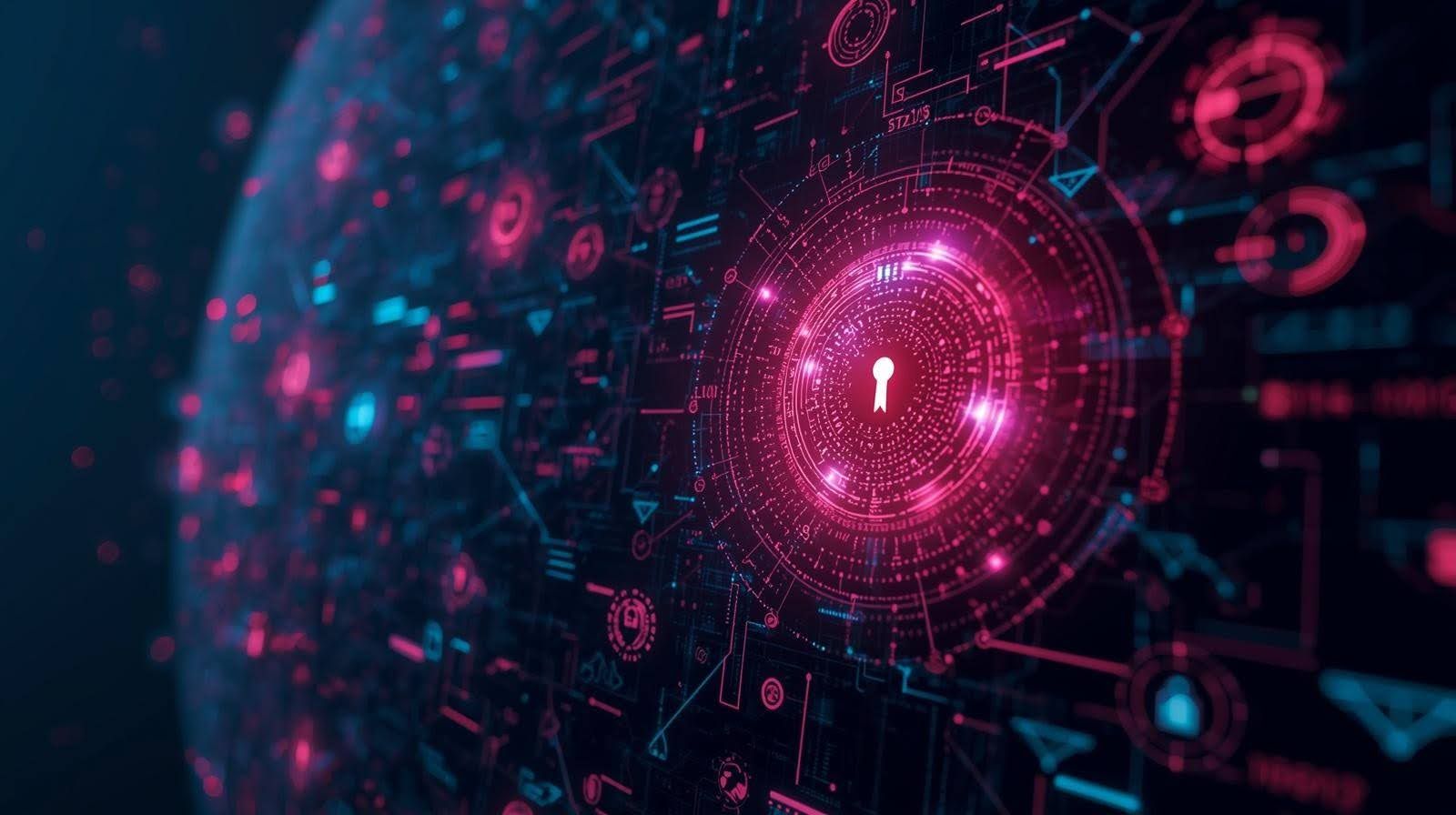
A key benefit of AI in cybersecurity is the enhanced ability to detect threats. Conventional approaches use signatures and rules based on known threats, so they can only identify threats that have been seen before.
But AI leverages machine learning to detect unusual patterns and identify potential threats, even when they are new. This means organizations can identify new threats and take proactive steps to mitigate them.
For instance, AI can detect suspicious login patterns, unusual network traffic or data access anomalies. As they learn from new information, they become more effective, minimising false alarms and enhancing security.
Automation and real-time response
Time is of the essence in cybersecurity. The longer it takes to respond to a threat, the more damage it can do. AI-powered security tools allow for continuous monitoring and automated threat response, drastically shortening the time to detect and respond to threats.
Automation is crucial here. AI can automate activities like detecting incidents, prioritising alerts, and taking initial steps in response, leaving security analysts to concentrate on more sophisticated investigations.
This not only speeds up processes but also helps overcome the cybersecurity skills gap. By automating these tasks, companies can better manage their security practices without overwhelming their staff.
Key AI security tools in use today
AI security tools are increasingly being integrated into cybersecurity plans. These include:
- AI-based network monitoring tools to detect unusual activity
- Machine learning-based endpoint protection to stop malware
- User behavior analytics that monitor employee activity to identify insider threats
- Intelligent response platforms that respond rapidly to threats
These technologies build a multi-layered security approach, detecting and stopping threats from multiple points.
Benefits of AI cybersecurity
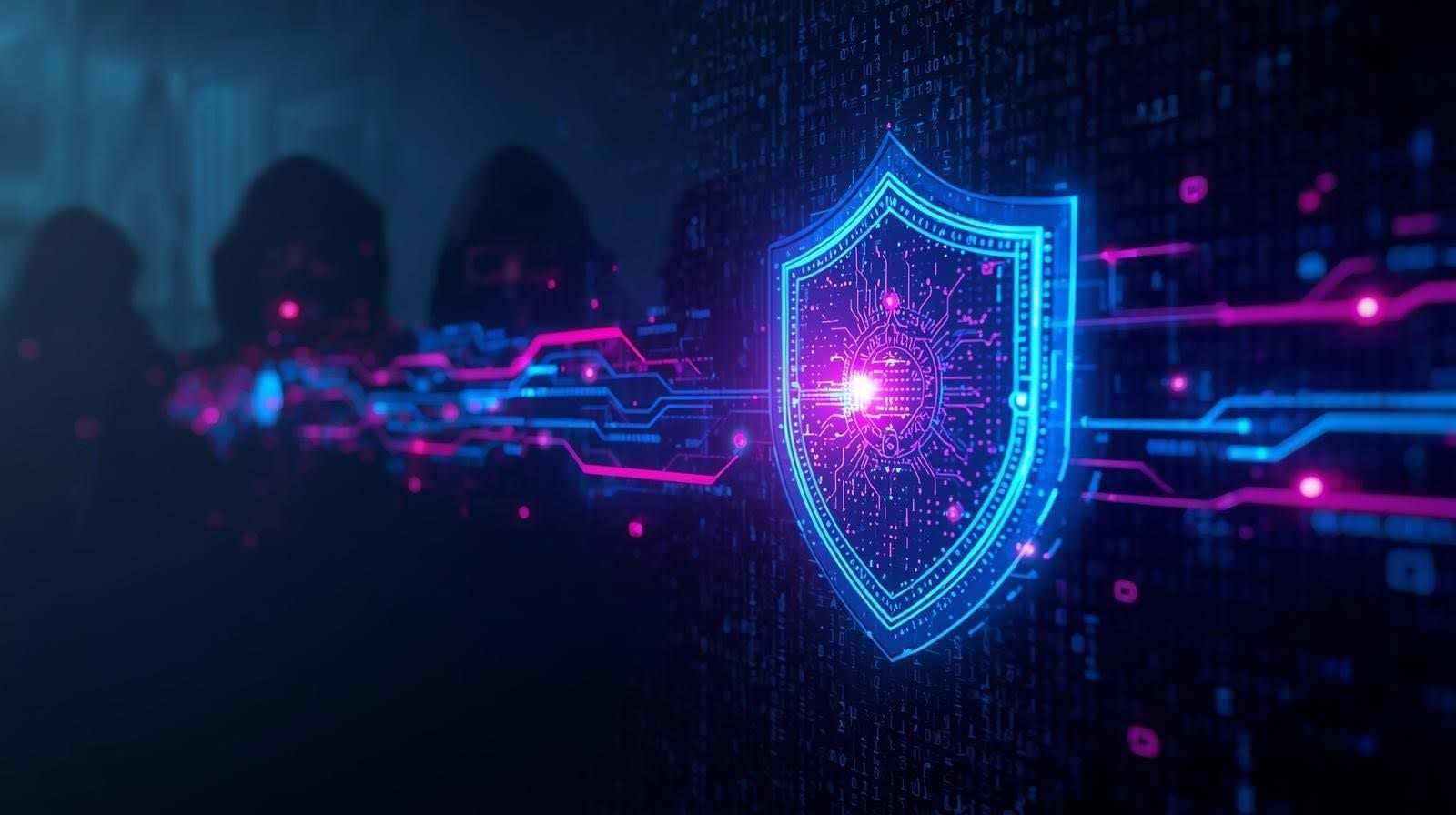
Using AI security tools has a number of advantages. First, it increases precision by minimising false alarms and detecting true threats. Second, it provides efficiency through automation and quicker response times.
Third, it offers scalability, enabling organisations to manage growing data and threats without requiring more resources. Further, it enables proactive security through vulnerability detection and predictive threat analysis.
This translates to better defence, lower probability of attacks, and increased security assurance for companies.
Challenges and considerations
However, AI cybersecurity also comes with its challenges. A key challenge is the need for quality data. Insufficient or inaccurate data can result in flawed outcomes and compromise security.
Another concern is the potential for adversarial attacks, in which hackers seek to fool AI systems. This underscores the importance of ongoing AI model monitoring and refinement.
Privacy and compliance concerns. Companies need to ensure that their AI practices comply with privacy laws and ethics.
The future of AI security solutions
AI will play a growing role in cybersecurity. And as the threat landscape grows more sophisticated, AI technologies will grow more sophisticated too, using deep learning and natural language processing, to name two.
There will be more widespread adoption of AI across security, including in networks and identity. Predictive analytics will become more prevalent, helping to forecast and prevent cyber attacks.
But human and AI collaboration will also be crucial. Although AI can handle large volumes of data, humans are still required for strategic planning and sophisticated threat assessment.
Conclusion
AI-based security technologies are revolutionising cybersecurity. Using smart technologies, organizations can better identify threats, react faster, and secure their assets.
In an ever-evolving threat landscape, the demand for innovative security solutions will grow. AI cybersecurity offers a robust approach, allowing companies to outsmart hackers and protect their digital assets.
In an ever-changing security landscape, smart security solutions are essential.
FAQs
Everything you need to know about our products and services
AI security solutions use artificial intelligence technologies like machine learning and automation to detect, prevent, and respond to cyber threats in real time.
AI analyzes large volumes of data to identify unusual patterns and behaviors, allowing it to detect both known and unknown threats more accurately than traditional systems.
AI security tools include systems like threat detection platforms, endpoint protection software, behavioral analytics tools, and automated incident response solutions powered by AI.
Traditional cybersecurity relies on predefined rules and signatures, while AI cybersecurity uses learning algorithms to adapt, predict threats, and improve over time.





Adnan Ghaffar is the visionary CEO of CodeAutomation.ai, a platform dedicated to transforming how businesses build software through cutting-edge automation. With over a decade of experience in software development, QA automation, and team leadership, Adnan has built a reputation for delivering scalable, intelligent, and high-performance solutions.
Under his leadership, CodeAutomation.ai has grown into a trusted name in AI-driven development, empowering startups and enterprises alike to streamline workflows, accelerate time-to-market, and maintain top-tier product quality. Adnan is passionate about innovation, process improvement, and building products that truly solve real-world problems.
More Articles
11/09/2026
Remote Sensing AI How Artificial Intelligence Is Transforming Earth Observation

25/ 08/ 2025
How to Hire an AI Developer: Your Ultimate Guide for 2026

26 November 2024
Competitors and Insights for Your QA Strategy

10 March 2026
How End-to-End Software Testing Ensure Better Software Quality

03/ 05/ 2026
AI Agent for Operations: Simplify Complex Workflows in 2026

10 April 2025